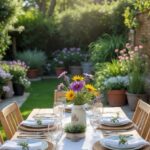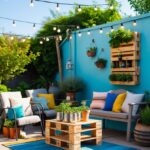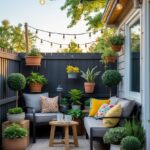

Decorating a small patio doesn’t have to feel overwhelming. We can make even the tiniest outdoor spaces feel inviting and functional just by picking the right furniture, arranging it with care, and adding a few simple decorative touches.
It’s all about finding some balance so the area feels open, not packed to the brim.
Using plants to frame the space and picking pieces that fit the patio’s size can really turn it into a cozy retreat. Creating focal points or adding a bit of lighting brings warmth without eating up precious room.
These tricks help us actually enjoy outdoor living, even when we don’t have much square footage to work with.
Assessing Your Small Patio Space

When we work with a small patio, it helps to know exactly what we’re dealing with and what we want out of the space. First, we measure the area, note any features that might get in the way, and decide how we want to use the patio.
Doing this upfront makes it way easier to pick out the right ideas and avoid mistakes later.
Measuring and Evaluating Functionality
We start by measuring the length, width, and height of the patio. It’s important to look for any fixed obstacles—walls, fences, or existing plants.
These things affect where we can put furniture or how we move around.
Next, we think about how we want to use the space. Do we want to eat out here, just relax, garden, or maybe entertain friends?
That decision shapes the size and type of furniture we’ll need so we don’t end up with a crowded mess.
Checking where the sun hits matters too. Some spots might get blasted with sunlight or stay shady, which changes where we put seats and what plants will actually survive.
Identifying Patio Strengths and Challenges
Our patio might have some strengths—maybe it feels private, gets great sunlight, or stays nice and shady. These details set the mood and make it more comfortable.
A sunny corner is perfect for plants, while a shady area can be a relief on hot days.
But there are always challenges. Tight space, weird layouts, or tricky access can make things tough.
Narrow spots or awkward corners might feel cramped unless we get clever with our furniture. Spotting these issues early lets us pick smarter, space-saving pieces or go vertical with things like plant walls.
Sometimes, old fences or plain walls can be a visual drag. We can soften those with a coat of paint or some greenery to make the space feel more welcoming.
Choosing a Primary Patio Purpose
Nailing down the main purpose for our patio helps us zero in on the right design. If we want to dine outside, we focus on a compact table and chairs that don’t block paths.
For lounging, a loveseat or a comfy chair with a small coffee table does the trick. We try to avoid clutter so the space still feels open.
If gardening is our thing, vertical planters or railing pots save floor space and add a little charm. Mixing uses is fine, but picking one priority helps keep things from getting too busy.
This decision shapes our choices in color, furniture style, and accessories so the patio fits how we actually want to use it.


Selecting the Right Patio Furniture

To get the most out of a small patio, we pick furniture that fits, gives us options, and keeps things comfortable. Choosing pieces that can do double duty and arranging them smartly helps us use every bit of space without feeling crowded.
Storage is also huge for keeping things neat and making the patio feel inviting.
Choosing Multi-Functional and Modular Pieces
Multi-functional furniture saves space and looks good. Benches with storage or ottomans that work as both seats and tables are great examples.
Modular furniture is even better for flexibility. Sectional sofas or seating cubes can be moved around or added to, depending on how many people we’ve got.
This makes it easy to adapt the space and avoid overcrowding.
Bistro table sets are a solid pick for small patios. They work for dining and casual hangouts. Lightweight, folding, or stackable designs let us change things up or stash pieces away when we’re not using them.
Best Small Patio Furniture Options
Scaled-down furniture is essential for small patios. Compact outdoor dining sets can seat four without taking over the whole area.
Lounge chairs with slim frames tuck nicely into corners and still let us relax. Bar carts give us a mobile surface for drinks or snacks and keep tables clear.
Materials matter, too. Lightweight metal or resin furniture is easier to move and clean. Moisture-resistant cushions add comfort without being bulky.
We skip oversized chairs and go for slim, simple designs that keep the patio open and easy to move through.
Arranging Furniture for Maximum Space
Where we put our furniture makes a big difference. Pushing seats up against walls or fences frees up the center for walking or other activities.
A round or oval table often fits better in weirdly shaped patios than a rectangular one. Fewer corners means less wasted space.
Layering in a small coffee table or pouf gives us extra function without making things feel tight.
An outdoor rug can help define different areas, like separating dining from lounging. We keep paths clear and wide for easy movement.
Stackable or folding chairs are a lifesaver when we need extra seats but don’t want to leave them out all the time.
Storage Solutions for Limited Spaces
Good storage keeps the patio tidy and frees up space. Benches or chests with built-in storage can hide cushions and accessories.
Wall-mounted shelves or vertical planters are great for storing small stuff and keeping the floor clear.
Portable storage like compact bar carts gives us extra surface space and lets us move things around easily.
We make sure to pick weather-resistant materials—treated wood or metal—so storage pieces last outside without getting wrecked.


Adding Comfort and Style with Decor

Making a small patio feel comfortable and stylish comes down to picking the right accessories. We want things that fit the space and bring in some personality, but don’t make it feel crowded.
Soft furnishings, colors, and a few personal touches go a long way.
Use of Throw Pillows and Outdoor Rugs
Throw pillows add comfort and a pop of visual interest. We look for weather-resistant fabrics in smaller sizes that won’t overwhelm the seating.
Mixing up textures gives depth without adding bulk.
An outdoor rug helps define the seating area and softens hard patio surfaces. A simple pattern in light or neutral colors makes the space feel bigger.
We like to position the rug so furniture legs sit on it, which ties the whole area together.
Incorporating Color and Textiles
Color can really brighten up a small patio if we don’t go overboard. We usually stick to neutral base tones, then add bold colors with cushions, rugs, or planters.
That way, the space feels lively but not chaotic.
Mixing different textiles—cotton cushions, woven rugs, maybe even some lightweight curtains—keeps things interesting. We keep to a limited palette so it doesn’t get too busy but still feels pulled together.
Personalizing with Small Patio Decor
Little decor pieces let us show off our style without hogging space. Lanterns, small sculptures, or potted plants add charm and are easy to move around.
We use vertical space for decoration to keep the floor clear. Hanging planters, wall art, or even a small mirror can make the patio look bigger and more unique.
These touches help the patio feel like an actual outdoor room, not just a slab of concrete.

Enhancing Ambiance with Lighting

Lighting totally changes how a small patio feels. With the right fixtures and a little creativity, we can make the space cozy, practical, and great to look at.
Flexible and layered lighting options help us set the mood for anything from quiet evenings to little gatherings.
Installing String Lights
String lights are basically made for small patios. We can drape them over railings, zigzag them overhead, or wrap them around plants.
This creates a soft, inviting glow without taking up any real space.
We always pick outdoor-rated string lights so they hold up in bad weather. Measuring the patio first helps us get the right length and avoid a tangled mess.
Hooks or clips made for outdoor use keep things neat and secure.
A timer for the string lights is a smart move. It lets them turn on and off automatically, so we don’t have to worry about wasting electricity.
String lights end up being both practical and pretty charming.
Creating Zones with Hanging Lights
Hanging string lights can help us define different parts of the patio. Maybe we light up a dining area separately from a lounge nook.
Each zone gets its own vibe, but the whole space still feels connected.
We hang lights high enough to keep them out of the way. That frees up floor and table space, which is always at a premium.
Adjustable cords or chains make it easy to set the perfect height.
Warm white bulbs create a cozy feel. Mixing hanging string lights with other fixtures gives us style and makes sure we can see what we’re doing.
Integrating Layered Lighting
Layered lighting just means using more than one kind of light. We combine string lights, wall sconces, and lanterns to control brightness and mood.
Dimmable wall lights give us focused light, and fairy lights or LED candles soften things up. Lanterns add a warm glow and can be moved wherever we need them.
This setup makes the patio work for almost anything—reading alone or having a few friends over. The right mix of lights makes every moment feel just right.


Incorporating Greenery and Vertical Elements

Plants bring life to a small patio without taking up much space. We use pots, walls, and hanging options to fit in more greenery and keep the area feeling fresh.
The trick is picking the right plants and arranging them thoughtfully so things look good and don’t get cramped.
Potted Plants and Compact Greenery
Potted plants are super flexible for adding greenery. We pick pots that fit the space and go for compact or slow-growing plants so nothing gets out of control.
Herbs, small flowers, and succulents are great since they don’t need huge containers.
Mixing up pot shapes and heights adds interest and helps us layer the look. We can stick pots on shelves, tables, or in corners to save floor space.
Self-watering pots come in handy when we get busy, and lightweight ones make it easy to move things around or bring plants inside if the weather turns.
Creating a Vertical Garden
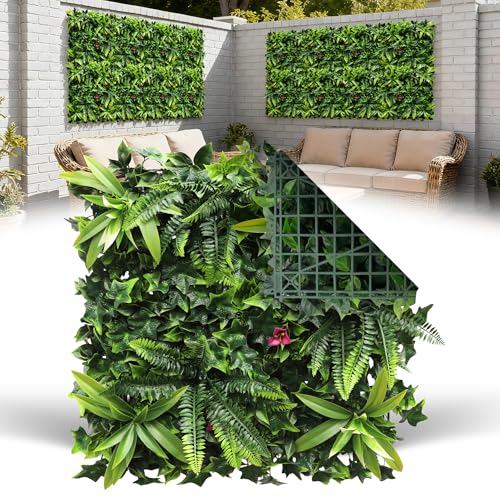
Vertical gardens let us grow more plants by going up instead of out. Wall-mounted planters, wooden pallets, or trellises support climbing plants and free up the floor.
We pick herbs, ferns, or small veggies for vertical setups since they don’t need a lot of soil. Trellises help vines like morning glories or peas climb, which adds privacy and a natural screen.
Multi-tiered wooden boxes let us stack plants neatly and get more greenery in less space.
Vertical gardens often help with airflow and sunlight, and some systems even have built-in irrigation to make watering easier.
Decorating with Hanging Plants
Hanging plants are perfect for small patios since they don’t use up floor or wall space. We use baskets, pots, or fabric pockets and hang them from hooks or railings.
Plants like ivy, ferns, and petunias look great trailing down.
Grouping baskets together creates a cool, layered effect. We can swap out plants with the seasons or move them to chase the sun.
Good drainage is important so we don’t drown the plants. If we’re renting or don’t want to drill holes, hanging plants are an easy way to add color and texture with almost no effort.


Maximizing Comfort with Shade and Shelter

Shade and shelter are essential for making a small patio comfortable year-round. We look for solutions that fit tight spaces but still add style and protection from sun or light rain.
Installing Shade Sails
Shade sails are a clever way to cover the patio without boxing it in. They use tough fabric stretched between walls or posts, letting air flow while blocking direct sunlight.
We can get shade sails in different shapes and sizes, so they work for almost any patio layout. Their angled design helps rainwater run off instead of pooling.
They come in lots of colors, which adds a fun touch and cuts down on glare.
Installing shade sails doesn’t take long and costs less than building something permanent. Maintenance is easy—usually just a quick clean of the fabric now and then.
Building or Adding a Pergola
A pergola gives you partial shade but keeps things open and breezy. It’s basically a few vertical posts with cross beams up top. For small patios, a compact pergola can really define the area and give you a spot to hang plants or lights.
You can pick wood, metal, or vinyl—whatever fits your home’s vibe. Tossing a retractable canopy or some shade cloth on top means you get more sun protection when you need it. Pergolas make it easy to hang curtains or string lights too, which always boosts the atmosphere.
Yeah, building a pergola takes a bit more investment, but it adds serious style and lasts for years. Placement matters—nobody wants a crowded patio. When you do it right, you get more vertical space and keep the views open.
Using Outdoor Curtains and Umbrellas
Outdoor curtains can give you privacy and shade, plus they soften up the patio’s edges. Hang them from a pergola or just use a dedicated rod. Weather-resistant fabrics are a must if you don’t want them falling apart after a windy week.
Besides, curtains add some color and texture, and they make a small patio feel extra cozy. Open or close them depending on your mood or the weather—totally up to you.
Umbrellas are another solid option for shade, and they don’t need to be a permanent fixture. Tilt or offset styles cover more space, which is perfect if your patio’s on the small side. Portable umbrellas are easy to move around, so you can chase or dodge the sun as you like.
Curtains and umbrellas let you boost comfort without any big projects, so they’re great if you’re renting or just want a quick update.


Designing Inviting Focal Points

A good focal point draws attention and gives a small patio a bit of personality. Focus on features that add warmth, sound, or comfort, but still fit the limited space. The right choice can turn a basic patio into a spot you’ll actually want to hang out in.
Adding a Fire Pit or Outdoor Fireplace
A fire pit or outdoor fireplace creates a cozy gathering place. In smaller spaces, it’s smart to go for compact models or built-in styles, so you don’t eat up all your floor space. Gas or electric fire features usually end up safer and cleaner than wood-burning ones.
A fire pit works as both a heat source and a conversation starter. Arrange seating around it to encourage people to relax. Some fire pits even have storage underneath, which is handy if you’re short on space.
Stone or metal materials help the fire pit blend into the landscape. Keep safety in mind—leave enough clearance and use non-flammable surfaces nearby. This feature lets you use the patio even when it’s chilly, thanks to the extra warmth and light.
Incorporating a Water Feature or Fountain
A water feature brings calming sound and a peaceful vibe to any patio. For small spots, a vertical or wall-mounted fountain saves precious floor area but still delivers soothing water sounds.
There’s a bunch of options—tiered fountains, simple water bowls, whatever fits your style. Water features add movement and interest without overwhelming the space. Go for ceramic, stone, or metal to keep things durable and stylish.
Water features help drown out unwanted noise, too. Place one near your seating area or tuck it in a corner for the best effect. Just remember to clean it now and then to keep the water clear and the feature working well.
Choosing a Hanging Chair or Unique Seating
Hanging chairs bring both style and comfort, and they barely take up any floor space. You can mount one from a beam or pick a stand-alone frame. The gentle swinging motion feels playful and relaxing—who doesn’t love that?
Pick a hanging chair with weatherproof cushions for durability. Light fabrics help reflect sunlight and keep the spot cool. Benches with storage or ottomans that double as tables also work well if you want versatility.
Put these seating options near your focal points, like the fire pit or a cluster of plants. You’ll end up with cozy nooks that make the patio feel bigger and more inviting. The right seating can totally transform even the smallest patio.

Optimizing the Patio Floor and Boundaries

Choosing the right flooring and clearly defining edges can make a small patio feel much larger and more welcoming. Flooring sets the mood and boosts comfort. Boundaries help the patio blend into the yard, so it doesn’t feel boxed in.
Selecting Pavers and Flooring Materials
Look for flooring that’s durable, easy to clean, and helps the space look bigger. Light-colored stone pavers or concrete slabs usually do the trick—they reflect light and open things up.
Stick with uniform materials and avoid busy patterns. Large square or rectangular pavers draw the eye across the patio, making it seem wider.
Gravel is a budget-friendly option that adds texture, but you’ll want to keep it tidy. Outdoor rugs help define seating areas and soften hard surfaces, all without making things feel crowded.
Blending Boundaries with Landscaping
Well-designed edges help the patio melt into the garden or yard. Low plants or shrubs around the border can soften transitions and avoid harsh lines that make the space look smaller.
Add vertical elements like small plants or trellises against fences to disguise boundaries and add depth, without using up floor space.
Match patio edge materials—like stone or brick—to your house or garden style for a cohesive look. Thoughtful landscaping makes the patio feel like part of the whole yard, not just a tiny, separate spot.
Frequently Asked Questions

We try to pick furniture that fits without crowding, use colors that open up the space, and choose plants that add life without taking over. Lighting and smart seating arrangements help small patios stay both practical and welcoming. A few well-chosen accents finish the look.
What are some space-saving furniture ideas for a small patio?
Folding chairs and compact bistro sets work great. Built-in benches or corner seating make the most of every inch. Multi-purpose pieces like storage ottomans or poufs are super handy. Keeping furniture scaled to the patio’s size helps avoid that cramped feeling.
How can I choose a color scheme that makes a small patio appear larger?
Light, neutral shades like white, light gray, or beige reflect more light and make the area feel open. Throw in some bold accents with rugs or cushions for interest. Stick to a consistent color palette for walls, furniture, and accessories to keep things clean and spacious.
What types of plants are best suited for adding greenery to a compact outdoor space?
Vertical gardens or hanging planters save floor space. Put taller plants behind shorter ones to add depth. Small potted palms, succulents, and trailing vines all bring life to a small patio without cluttering it up.
What lighting options are recommended to enhance a cozy but small patio ambiance?
String lights and pendant lamps hung from pergolas or overhangs pull the eye up and add warmth. Solar-powered stake lights or wall sconces save space and offer gentle lighting. A small fire pit can double as a light source and a focal point.
How can I maximize seating in a limited patio area without overcrowding it?
Corner benches and sectionals along the walls free up space. Backless stools or poufs add flexible seating without blocking views. Moveable or folding furniture lets you adjust the setup as needed for different occasions.
What are effective decorative accents to create a stylish look on a smaller patio?
Try using outdoor rugs to define zones and add a bit of texture. They work surprisingly well in making the space feel cozy.
Add a few large plants or go for vertical greenery if you’re short on floor space. These soften the hard edges and breathe some life into the area.
Toss in some decorative pillows or a comfy throw. A coffee table with a bold pattern can show off your style without making things feel cluttered.
Hang up a mirror or stick to light-colored walls. Both tricks bounce light around and help your patio look a little bigger than it really is.