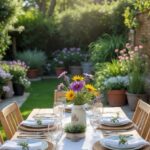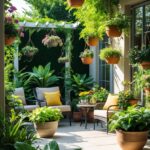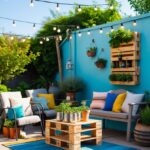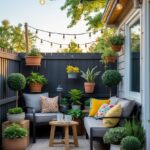

Decorating a patio with plants is one of the easiest ways to bring life and color to any outdoor spot. Just by mixing the right plants, pots, and arrangements, we can turn a plain space into something inviting and comfortable that actually feels like us.
Balancing color, height, and texture is what really makes a patio plant setup pop, but let’s not forget about keeping things low-maintenance.
We should think about how plants play off each other. Combining perennials with annuals keeps things interesting all year, and using taller plants adds structure.
Grouping containers and picking plants that hit more than one sense—like fragrant herbs or grasses that sway in the breeze—can really make a patio feel special.
With a bit of planning, we can easily turn a patio into a green retreat that feels fresh and personal.
This guide will give you some easy ideas and tips to help make decorating your patio with plants both fun and effective.
Choosing the Right Plants for Your Patio

Picking plants for the patio means thinking about the space and what it needs. We have to consider the light, climate, and how much care we want to give.
Choosing the right types makes it easier to keep our patio looking great without a ton of work.
Understanding Patio Conditions
The conditions on our patio matter a lot when it comes to choosing plants. First, sunlight—how much does your patio get? Some spots get blasted by sun all day, while others stay shady or get just a bit of light.
Temperature and humidity in our area matter too. Some plants, like cacti and succulents, love hot, dry weather. Others, like ferns and hostas, prefer shade and moist soil.
Space and floor type play a role as well. If we have room, we can add height and privacy with potted trees or bamboo. Flat surfaces make it easy to group containers, but on a small patio, compact plants like herbs or ivy are the way to go.
Selecting Plant Types by Light and Climate
We match plants to the light our patio gets. For full sun, flowering plants like marigolds, petunias, and roses do great and bring color and fragrance.
In partial shade, plants like geraniums, jasmine, or climbing types like pothos work well. They soften the space and don’t mind indirect light.
If we’ve got shade, plants that don’t care much for sun—like ferns, hostas, or ornamental grasses—create lush greenery and texture in those darker corners.
Climate really shapes our choices. Dry climates call for tough plants like rosemary, thyme, and succulents. In wetter or cooler areas, bamboo and mint thrive.
Low-Maintenance Plant Recommendations
To keep things simple, we stick with low-maintenance plants. Succulents and cacti barely need water or fussing and fill pots with cool shapes and colors.
Herbs like rosemary, thyme, and mint are practical, fragrant, and do well in small containers. They just need the occasional trim.
If we want greenery that comes back every year, perennials like roses, bamboo, and Japanese maple are solid picks. They only need seasonal care.
Climbing plants such as ivy and honeysuckle add height and cover walls or fences without a lot of work. When we group these with potted shrubs, we get a varied, appealing look that’s still easy to manage.


Plant Arrangement and Design Principles

When we decorate a patio with plants, we focus on how they look together. Balance, color, and texture are what make a space attractive and inviting.
Choosing the right mix keeps things lively but not overcrowded.
Creating Visual Balance
Visual balance is all about arranging plants so the patio feels stable and easy on the eyes. We usually start with a statement plant—maybe a Japanese maple or a big potted rose bush—to draw attention and anchor the design.
We scatter tall plants like ornamental grasses around to add height, but we make sure one side doesn’t feel heavier than the other. Smaller flowering plants or trailing vines fill gaps and soften edges.
Some folks like symmetry for a tidy look, others go for asymmetry because it feels more relaxed. Either way, balance helps the space feel finished.
Choosing a Color Palette
Picking a color palette guides which plants we use and sets the mood. Warm tones—reds, oranges, yellows from plants like red verbena or marigolds—bring energy.
Cool tones—blues and purples from blue salvia or lavender—feel calming. We try to keep the color scheme consistent so nothing clashes.
Using pots in contrasting colors adds interest, but we don’t let them overpower the flowers. Mixing foliage, like green leaves with silver or purple, adds richness without needing more blooms.
Combining Heights and Textures
Mixing up heights and textures gives our patio garden depth. Tall plants like rose shrubs or bamboo pull the eye up and can act as natural screens.
Medium-sized plants, including flowering pots and shrubs, fill out the middle. Low or trailing plants tie things together by softening the edges.
We like to pair smooth leaves, fuzzy petals, and feathery grasses for extra texture. For example, rough ornamental grasses next to delicate rose petals create nice contrast.
Grouping plants by height and texture makes everything feel more dynamic and avoids a flat look.

Creative Planter and Container Ideas

Picking the right containers really changes how our patio feels. Using a mix of styles, materials, and placements keeps things interesting and cozy.
Even small details, like the kind of pot or where it hangs, can add a lot of personality.
Mixing Pots and Containers
We like to mix different sizes and shapes of pots for depth. Tall pots suit potted trees or bigger plants, while small pots are perfect for flowers and herbs.
Mixing materials—ceramic, metal, terracotta—adds a bit of flair. Grouping pots creates mini garden spots.
For example, we might put a tall pot with a tree in the back and smaller, colorful pots out front. Neutral boxes with bold flowers help the blooms pop.
Wicker and Rustic Baskets
Wicker baskets bring a warm, natural vibe that just fits outside. They’re light, easy to move, and great if you like to change things up.
Lining baskets with plastic or pots inside keeps them from getting soggy. Rustic baskets add texture and a cozy touch, especially with simple green plants like ferns or ivy.
They look great in shaded corners or near seating, adding charm without taking over.
Wall-Mounted Planters
Wall-mounted planters save precious floor space and put greenery right at eye level. We use them for small flowers, herbs, or succulents—perfect for tight patios or vertical gardens.
Just make sure the wall can handle the weight and pick containers with good drainage. Bright planters on neutral walls stand out.
Mixing trailing and compact plants gives a layered look that draws eyes up.


Maximizing Vertical and Small Spaces

When space is tight, we make the most of it by going vertical and getting clever with arrangements. Stacking or hanging plants lets us fit more without making things feel cramped.
It also makes watering and care easier.
Vertical Gardens and Living Walls
Vertical gardens turn boring walls into lush spots. We mount planters or pockets to grow plants like ivy, pothos, or ferns that spread out nicely.
These gardens free up floor space and create a natural backdrop. Built-in irrigation in living walls keeps plants watered evenly, which means less work for us.
Vertical gardens are a lifesaver when ground space is limited, and they add height and texture.
Hanging Baskets for Added Greenery
Hanging baskets let us bring greenery overhead and keep the floor clear. We hang baskets with ferns or trailing ivy to add layers and depth.
Hooks, beams, or railings all work for hanging. Water drains easily, so roots don’t get soggy.
Hanging plants also help spread sunlight more evenly, which keeps them healthy.
Tiered Plant Stands and Shelving
Tiered plant stands give us several levels for pots, making it easy to show off different plants in a small area. Open designs let sunlight reach every plant.
Wall-mounted shelves hold a range of pots and help keep things tidy. This setup is great for mixing plant types and squeezing the most out of limited space.


Enhancing Patio Ambiance With Decor Elements
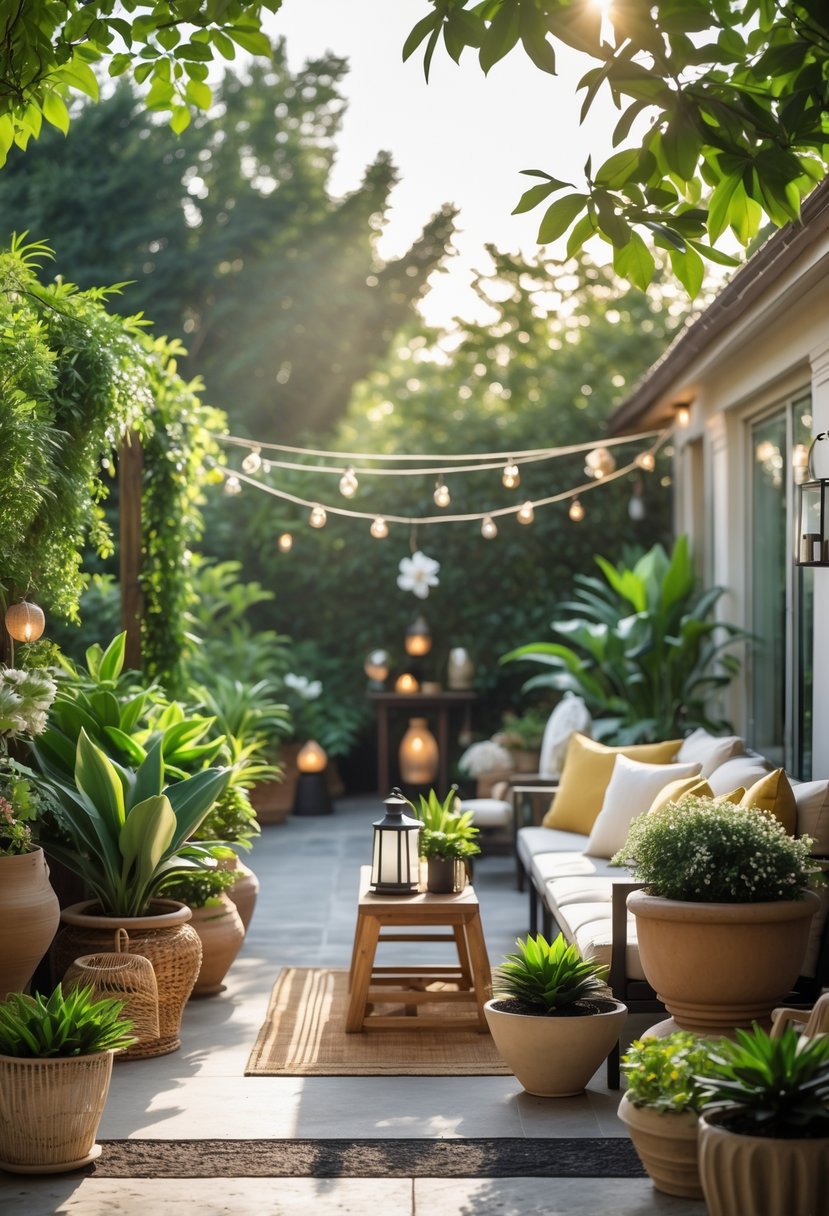
We can make our patios feel special by combining lighting, water features, and personal touches. These details add depth, calm, and character, making the space more inviting.
Accentuating With Lighting
Lighting really sets the mood after dark. String lights are a go-to—they add soft, warm light and look great above seating or along railings.
Solar lanterns on tables or fairy lights in plants create layers of gentle light. For a natural vibe, we sometimes put candles in hurricane holders or LED tealights in planters.
That keeps the glow safe and flickering. Dimmable lights are handy, so we can
Container Gardens for Borders and Privacy
You can use potted plants to create natural borders or privacy screens on your patio. Tall plants in big containers—like bamboo or leafy shrubs—block unwanted views and break up your outdoor space.
Container gardens offer a lot of flexibility. Move them around whenever you want to change the layout or chase the sunlight.
Try mixing edible plants with tall greenery. You’ll get privacy and fresh food at the same time. It’s a nice way to enjoy a peaceful patio while growing something useful.


Frequently Asked Questions

Focus on plants that match your patio’s vibe and your willingness to care for them. Picking the right containers and arranging plants thoughtfully helps you make the most of your space.
Lighting matters a lot, honestly. Vertical gardening can also keep your patio garden both healthy and good-looking.
What are the best plant types for creating a cozy patio atmosphere?
Mix perennials and annuals for year-round interest. Perennials like lavender, bamboo, and roses give your patio structure.
Annuals such as marigolds and verbena bring seasonal color. Add herbs like rosemary and lavender for their scents, and toss in ornamental grasses for that soft sound and texture.
Blending these types makes the space feel comfortable and inviting.
How can I ensure proper plant growth and care in a patio environment?
Think about sunlight, watering, and soil quality first. Pick plants that fit your patio’s light—full sun, partial shade, or just shade.
Use pots with drainage holes, always. Check soil moisture often, and prune things like honeysuckle to keep them in shape.
If you want less work, go for drought-tolerant plants.
What container varieties are suitable for patio plant decoration?
Terracotta pots give you a classic look. If you like more color, go for bright containers.
Mix up pot sizes and shapes for visual interest. Big planters create privacy or separate spaces.
Pick containers made from tough materials so they last through the seasons.
How should I arrange plants on a small patio to maximize space?
Group containers in clusters for impact, but don’t overcrowd. Put taller plants in the back or in corners.
Shorter plants work best up front. Narrow or vertical planters save valuable floor space.
Mixing textures and colors in your planters keeps things lively, but not chaotic.
What lighting conditions are required for patio plants to thrive?
Figure out how much sun your patio gets each day. Some plants crave full sun—six hours or more—while others do better in the shade.
Move pots around with the seasons if you can. Shade-tolerant plants or shifting containers helps protect sensitive ones from harsh sun or frost.
Can I incorporate vertical gardening to save space on my patio?
Absolutely! Vertical gardening lets you bring in more plants without cluttering up your patio floor.
Try using trellises, wall planters, or even some hanging pots. Those options work well and look pretty nice too.
Climbing plants like honeysuckle or ivy can grow up instead of out, so you get more greenery and a bit more privacy. Plus, it’s a clever way to carve out zones or cozy corners on your patio.