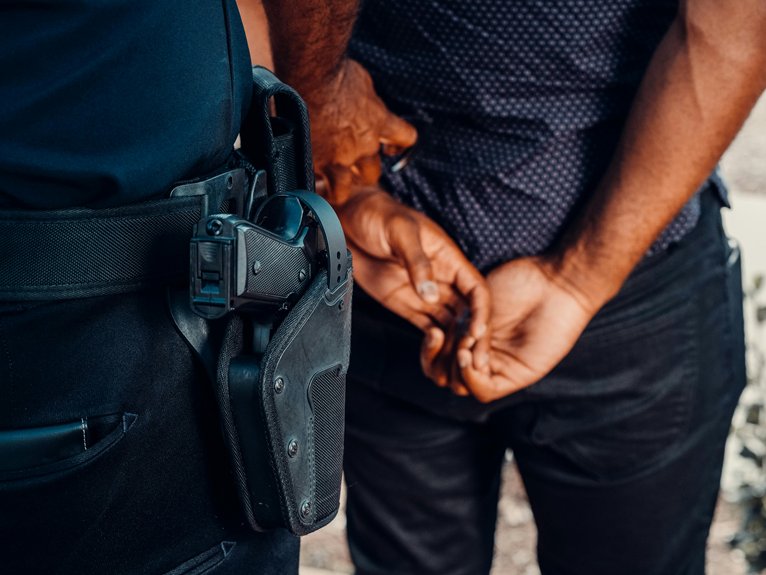
Before you set up shop in your backyard, you’ll need written permission from your local police department—seriously, don’t skip this. Check your city’s ordinances because many California municipalities ban backyard shooting outright. You’re limited to BB guns or airsoft; real firearms are off-limits.
Next, confirm your property has proper safety zones with adequate distance from neighbors. Set up a solid backstop, store ammunition separately and locked, and keep detailed records of your approval. Break these rules, and you’re looking at fines or criminal charges. The specifics vary by location, so review the details tailored to your area.
Check Your Local Ordinances Before You Start
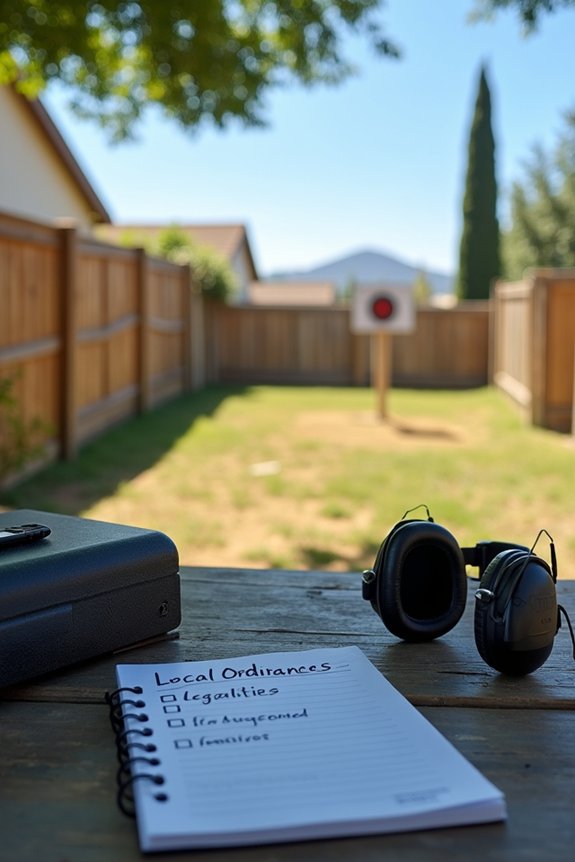
Before you even think about setting up targets in your backyard, here’s what I’ve learned the hard way: local laws are your first and biggest hurdle. California’s local ordinances vary widely between cities and counties, so don’t assume backyard shooting is legal where you live. Many municipalities ban BB guns and air rifles on private property entirely. I’ve seen people get surprised—even shocked—by what their city actually prohibits. That’s why I always recommend calling your local police department or city clerk first. Ask specifically about firearm safety rules, discharge restrictions, and permissible times. Don’t skip this step thinking private property gives you a free pass. It doesn’t. Understanding these local ordinances protects you from potential criminal liability and keeps your community safe.
Verify Your Property Meets Safety Zone Requirements
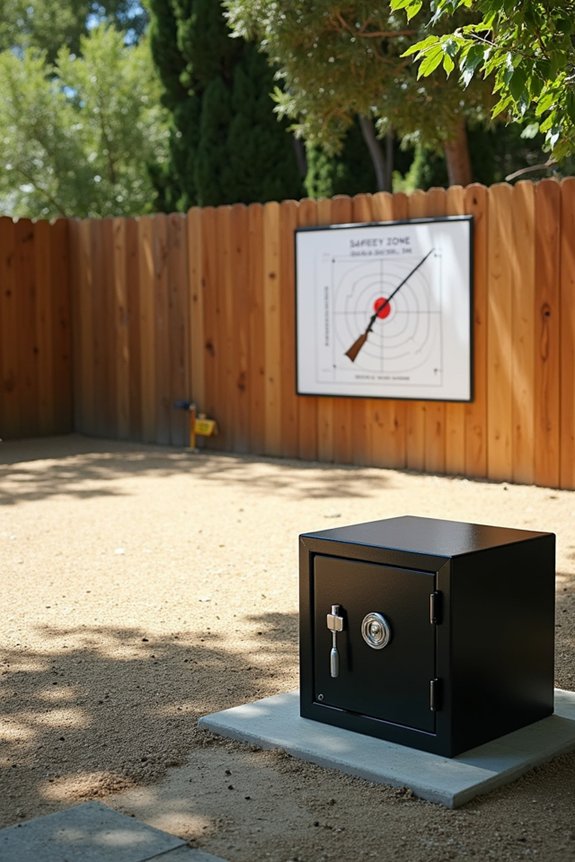
Once you’ve cleared the legal hurdles with your local city, the next step is evaluating whether your actual property can safely handle firearm use. I learned this the hard way—checking zoning wasn’t enough. Your safety zone needs adequate distance from neighbors’ homes and property lines. Most local ordinances require substantial buffer space, though exact footage varies by jurisdiction. Before firing that BB gun, I inspect my property for obstacles and confirm it’s truly isolated. Keep ammunition unloaded and stored in a locked container until you’re ready to shoot. Consider your backdrop carefully; bullets travel farther than you’d think. Talk with neighbors about your plans too. Creating a safe zone protects everyone and keeps you legally protected.
What Firearms Can You Shoot in Your California Backyard?
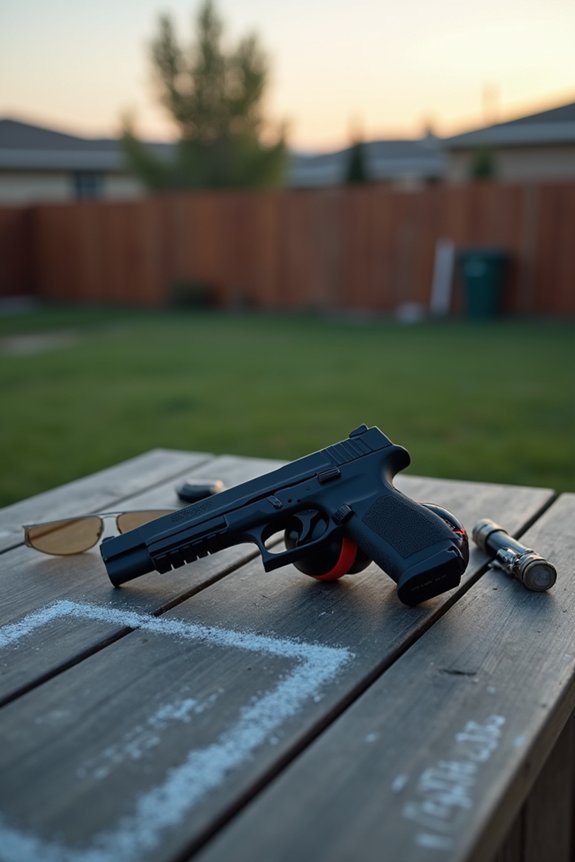
Not all firearms are created equal when it comes to backyard shooting in California, and I’ve learned the hard way that what’s legal in one city might get you a citation in another. You’ll want to check your local ordinances first, since some municipalities restrict certain calibers or types of guns on residential property, while others have blanket bans on backyard shooting altogether. Once you’ve confirmed what’s allowed in your area, you can focus on choosing a firearm that matches your safety zone’s size and your neighbors’ proximity—because legal doesn’t always mean wise.
Legal Firearm Types Allowed
What can you actually shoot in your California backyard without running into legal trouble? I’ve learned that BB guns and airsoft guns are your main options here. They’re legal to own, but here’s where it gets tricky—local ordinances matter a lot. Your city might prohibit discharge within limits, so check first. When you’re shooting, avoid unlawful display by keeping everything on your property. Never point these toward neighbors or roads. The discharge rules are strict about safety zones near occupied dwellings.
| Firearm Type | Legal to Own | Backyard Shooting | Local Ordinances | Key Restriction |
|---|---|---|---|---|
| BB Gun | Yes | Maybe | Check City | Unlawful Display |
| Airsoft Gun | Yes | Maybe | Check City | Discharge Rules |
| Pellet Gun | Yes | Maybe | Check City | Safety Zones |
| Air Rifle | Yes | Maybe | Check City | Liability Issues |
| Real Firearms | Yes | No | Prohibited | Always Illegal |
Local Ordinance Restrictions Apply
Because local rules vary wildly across California, I can’t just tell you “yes, go shoot your BB gun,” and that’s the honest truth. Here’s what I’ve learned checking my own city’s regulations:
- Many California cities explicitly ban backyard firearm discharge, even on private property
- Your local ordinances might prohibit BB guns specifically within city limits
- California Penal Code restrictions override private property assumptions
- Unsafe or reckless discharge triggers criminal charges regardless of your land ownership
- You’ll need permits or designated shooting areas where authorities allow practice
Before touching any gun, I contact my municipal office directly. Private property doesn’t mean you’re automatically free to discharge weapons. Safety regulations exist for good reasons—protecting neighbors matters. Check your specific city’s rules now. Don’t assume anything. Call your local government office today and ask about permits and approved shooting locations near you.
Residential Property Safety Requirements
So this is the matter—just because you own your backyard doesn’t mean you can shoot anything you want there. Your private property comes with real responsibilities that I’ve learned the hard way.
First, check your local ordinances before you discharge anything. Your city might prohibit BB guns entirely or restrict them heavily. I found out my neighborhood has strict rules I initially missed.
Safety matters more than convenience here. You’ll want secure storage in a locked case or trunk, especially when transporting equipment. Keep firearms unloaded when not actively shooting.
Consider your surroundings too. Stray pellets travel unpredictably. Your neighbors’ safety isn’t just legal—it’s genuinely important. Follow these guidelines, and you’ll enjoy backyard shooting responsibly while respecting everyone’s wellbeing and local regulations.
Get Written Permission From Local Law Enforcement
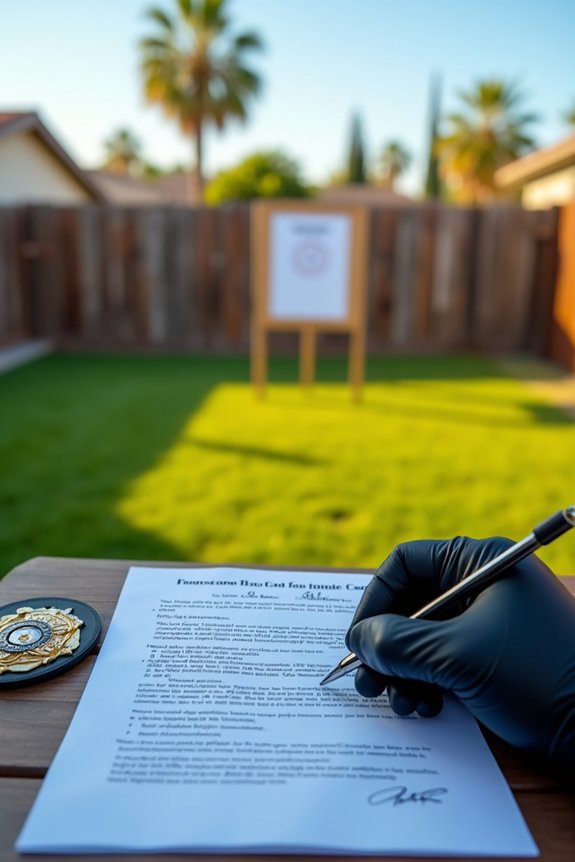
I’ll be honest—getting written permission from your local police department is your legal requirement for backyard shooting in California. You’ll need to contact your department directly and ask about their authorization process, which varies depending on your city and county. Once they approve your request, that written documentation becomes your proof that you’re shooting legally, but here’s the thing: you’ve got to make sure it covers your specific location, dates, and any conditions they’re putting on it.
Police Department Contact Requirements
Before you set up your backyard shooting range, have you thought about checking in with your local police department?
I’ve learned that contacting them directly saves headaches later. Here’s what makes this step important:
- You’ll discover specific local ordinances that apply to your neighborhood
- Police can clarify Penal Code requirements for your exact location
- You’ll understand private property restrictions that might surprise you
- Written permits provide legal protection if neighbors complain
- You’ll gain peace of mind knowing you’re doing things right
Call your department’s non-emergency line and ask about backyard shooting permits. They’ll explain what documentation you need and whether safety inspections are required. Some areas demand written approval before you proceed. Getting this sorted upfront means you’re truly protected and part of your community’s responsible gun owner culture.
Written Authorization Documentation Process
Once you’ve spoken with your local police department, the next step is getting everything in writing. I learned this the hard way—verbal permission isn’t enough under California regulations. You’ll want written authorization that clearly outlines what you can do on your private property.
| Documentation Item | What It Specifies |
|---|---|
| Allowed Activities | BB guns, firearms, or airsoft types |
| Permitted Times | Specific hours for backyard shooting |
| Designated Areas | Exact locations on your property |
| Duration | How long authorization remains valid |
Request that local law enforcement document everything. This written permission protects you legally and proves you’re following California regulations. Keep copies accessible. I store mine with my homeowner’s documents. Having this documentation demonstrates you’re a responsible community member who respects backyard shooting guidelines.
Local Jurisdiction Approval Verification
How do you know if backyard shooting’s actually legal where you live?
I learned the hard way that private property doesn’t guarantee shooting rights. Here’s what I discovered matters:
- You need written permission from your local law enforcement agency
- Local ordinances often restrict or ban backyard shooting entirely
- City rules trump private property status every single time
- Permission verification protects you from unexpected fines or charges
- Documentation saves you from costly legal headaches later
I contacted my city’s police department and asked about permits and licenses for backyard shooting. They provided written confirmation of local ordinances affecting my property. This permission verification gave me peace of mind and legal protection. Don’t assume anything—get that written approval from law enforcement before you start. It’s the responsible move that keeps you and your community safe.
Set Up Backyard Shooting Zones (Backstops and Containment)
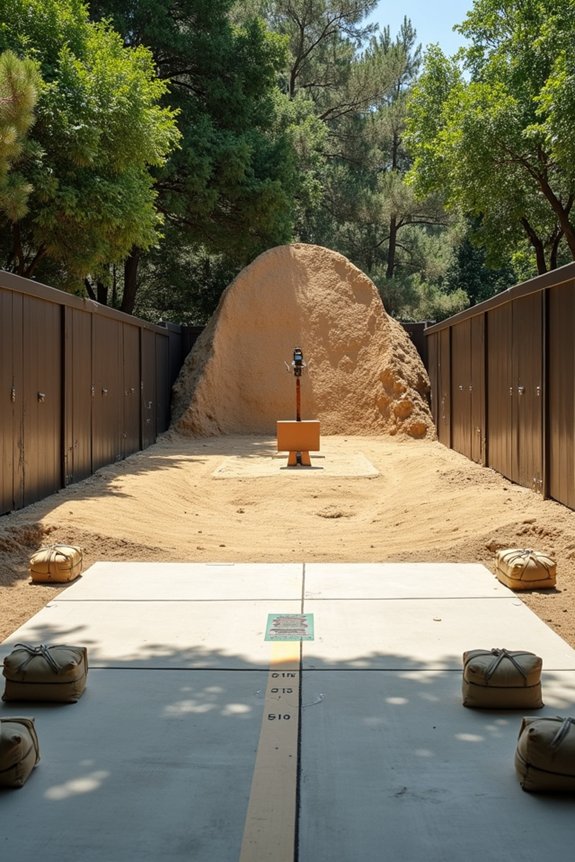
Your backstop’s the foundation of safe backyard shooting. I learned this the hard way after my first setup failed when I grabbed plywood and pellets ricocheted everywhere. Now I use solid, durable barriers specifically designed for BB guns.
A proper backstop is essential—learn from my mistake with plywood. Use barriers specifically designed for BB guns.
Next, establish a clear safety zone around your shooting area. I keep mine at least twenty feet from property lines, protecting neighbors and their pets. Check your local ordinances—they’ll specify exactly what you need.
Store ammunition separately in a locked container away from your shooting zone. Transport your BB gun unloaded in a locked case, keeping it hidden from public view.
These containment measures aren’t just smart—they’re legally required in California, and they’ll keep everyone safe.
Follow Safe Shooting Practices for Your Situation
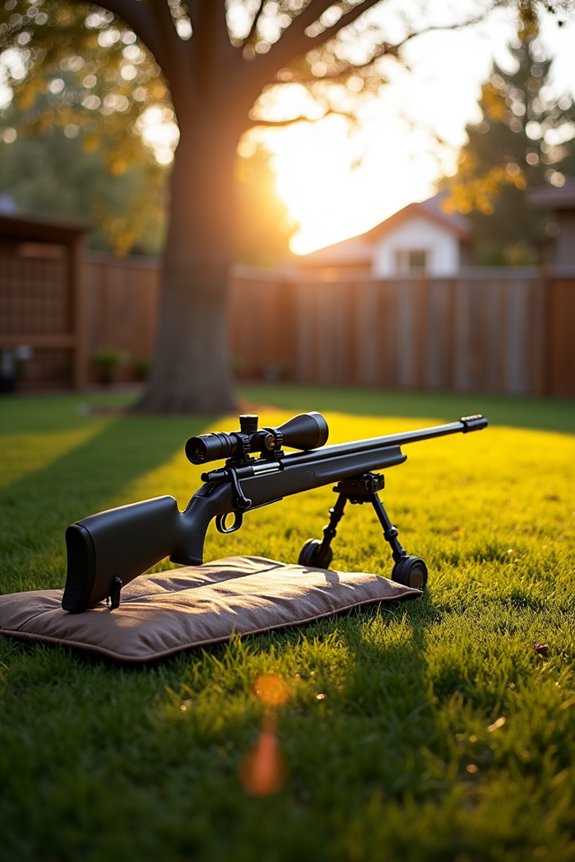
What’s the difference between setting up a safe zone and actually following through when you’re out there shooting? Honestly, it’s discipline. I’ve learned that safety isn’t just about your backstop—it’s about how you handle your BB gun every single time.
Here’s what I do to stay on the right side of local ordinances:
- Transport properly: Keep your BB gun unloaded and locked in a case during transport
- Store separately: I store ammunition away from my firearm to prevent accidents
- Know your rules: Check municipal codes before discharging anything on private property
- Stay aware: It’s unlawful to discharge weapons in many areas, even your own yard
- Respect boundaries: Remember that private property doesn’t shield you from liability
Following these practices keeps you safe, legal, and part of a responsible shooting community.
Store Your Firearm Safely Between Backyard Sessions
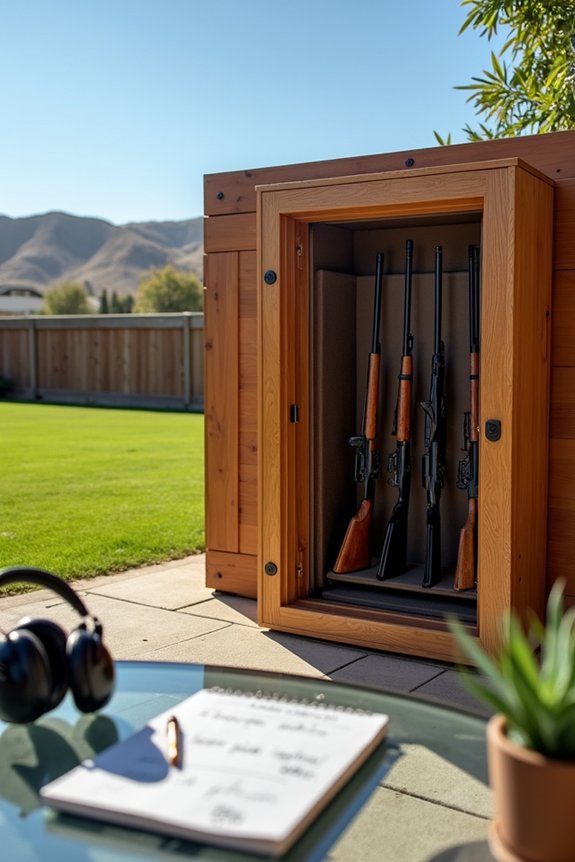
Between shooting sessions, I’ve found that proper storage is just as important as safe handling—maybe even more so. I keep my unloaded firearm locked in a secure cabinet on my private property, away from curious hands. It’s unlawful to possess an unsecured firearm where minor access is possible, so I take this seriously.
I store everything separately: the gun in one locked location, ammunition in another. This setup protects my family and keeps me compliant with California expectations. A good safe doesn’t need to be fancy—just reliable and inaccessible to kids.
Between sessions, I check my stored firearm regularly. Clean it if needed, keep it unloaded, and verify the lock works properly. This routine takes minutes but prevents real problems down the road.
What Happens if You Break These Rules?
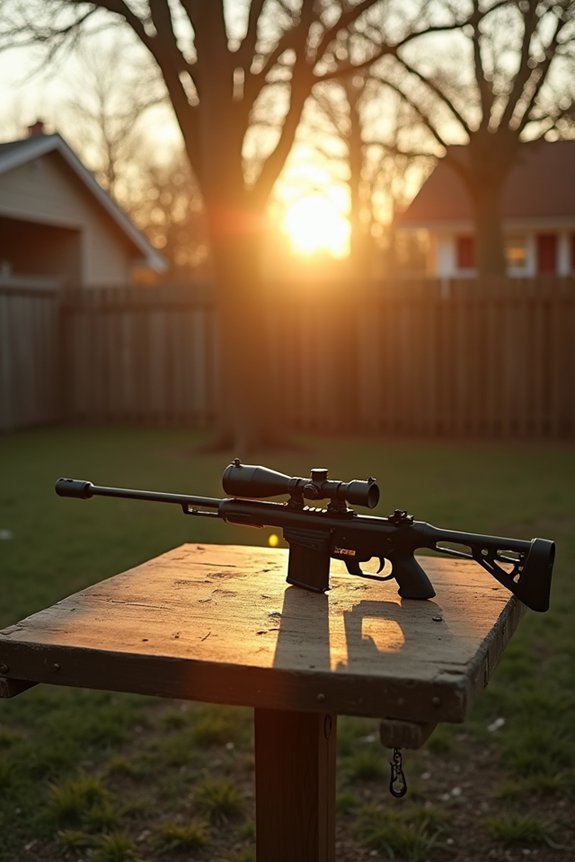
What Happens if You Break These Rules?
Following storage rules keeps you safe, but breaking California’s shooting laws can get you into serious trouble. I’ve seen folks make mistakes that cost them dearly.
Here’s what happens when you ignore local ordinances:
- You’ll face criminal charges under Penal Code sections for weapons violations
- Private property won’t protect you from liability or prosecution
- You could receive hefty fines that drain your wallet fast
- Neighbors might press assault or battery charges against you
- Your firearms could be confiscated permanently by authorities
Breaking these rules isn’t worth the risk. Unlawful shooting near occupied dwellings or roads creates real danger. You’ll damage your reputation in your community too. I know you’re trying to enjoy your hobby responsibly—that’s why following local ordinances matters so much. Stay smart out there.
Keep Records Proving Compliance (For Your Local Jurisdiction)
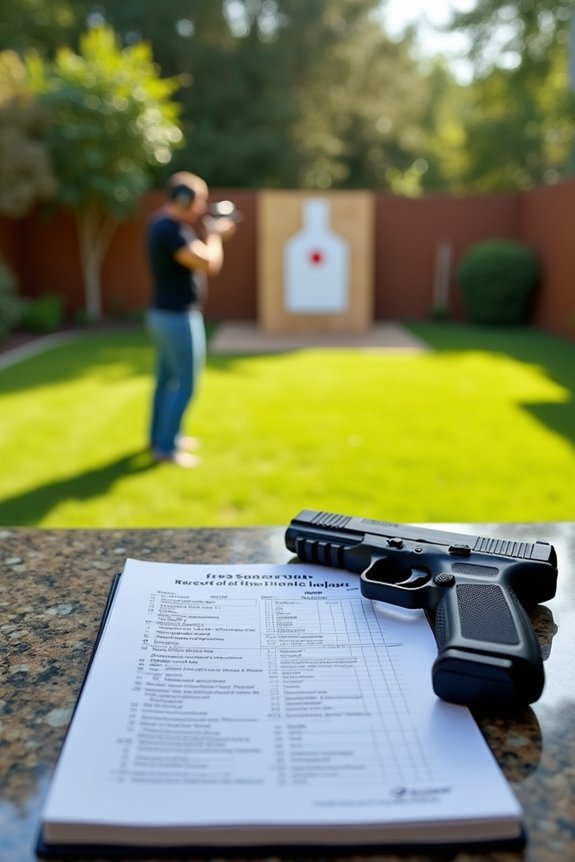
Most people don’t think about paperwork when they’re planning backyard shooting, but documentation saves you from legal problems. Here’s what I keep on file now: my local ordinance printout showing what’s allowed, any discharge permit I’ve obtained, and written approval from my municipality. I photograph my secured storage setup—gun unloaded and locked in a case, ammunition stored separately. I also document designated shooting times and areas my city approved. These records prove I’m following rules if anyone questions my activities. I store everything digitally and in a folder at home. Having this paper trail means you’re protected and can confidently enjoy your backyard responsibly.