
To check if your bathroom sink’s safe to drink from, I’d start by running cold water for 30 seconds to flush out stagnant stuff.
Next, peek at your home’s age—pipes before 1986 might leak lead.
Then grab your local water quality report and check if contaminants meet EPA standards.
Watch for red flags like rusty discoloration, metallic taste, or musty smells.
If everything checks out, you’re probably fine, though there’s definitely more nuance worth understanding.
Check Your Plumbing’s Age and Materials
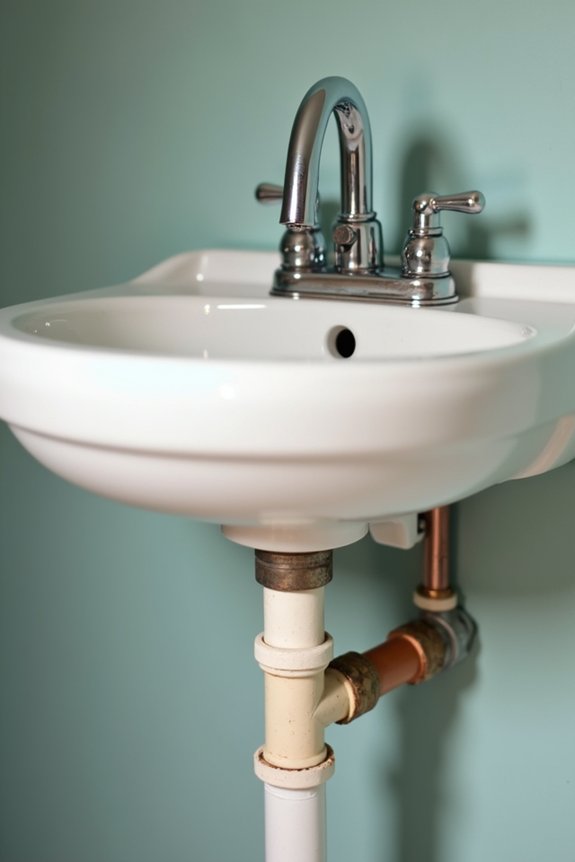
When was your home built? That’s actually your first clue about what’s flowing through your pipes. If your place was constructed before 1986, you’re potentially dealing with lead pipes or corroding materials that leach metals into your water. I learned this the hard way after noticing rust stains around my fixtures.
Here’s what I do: I check my plumbing age by inspecting visible pipes near the main shutoff valve. Copper and galvanized steel were standard back then, but galvanization increases corrosion risk over time. Newer homes typically have plastic PEX or CPVC piping, which resist lead leaching pretty well.
Look for greenish-blue patina, rust stains, or flaky corrosion on your fixtures. These signs tell you it’s time to assess your pipe materials seriously before considering drinking that bathroom sink water.
Review Your Local Drinking Water Quality Report
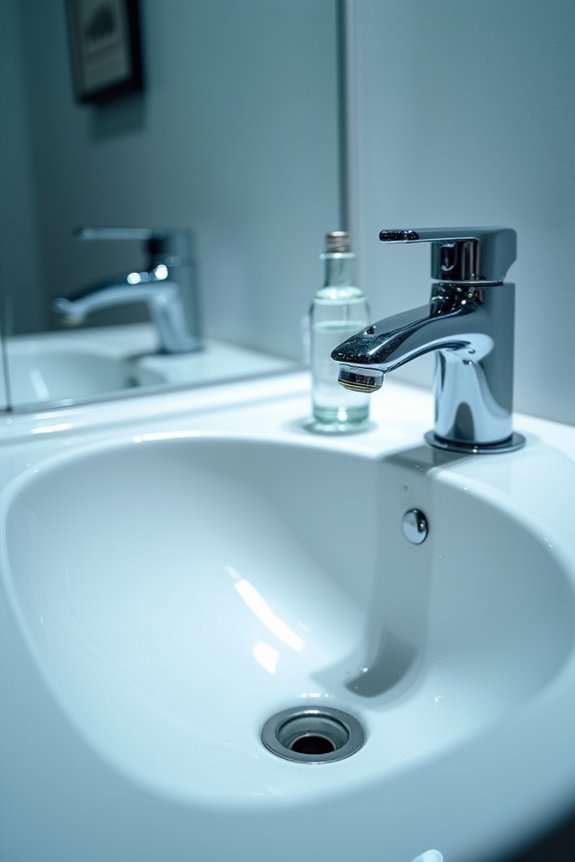
Where did your water originate from, and what’s in it right now? I didn’t know until I checked my local drinking water quality report. This document provides a roadmap to understanding what’s really in your tap.
Your report reveals these key details:
- Recent testing dates showing when samples were analyzed
- Detected contaminants and their actual levels in your water
- EPA MCLs (maximum contaminant levels) your water must meet
- Compliance status indicating if your supplier passes safety standards
- Health advisories warning about seasonal issues or concerns
I found mine online through my city’s website. The report breaks down everything from lead to bacteria. Comparing reported levels against EPA MCLs helps me understand if my water is safe. If something seems off—like detectable lead—I contact my utility immediately for specifics.
Spot Discoloration, Odor, and Taste Changes
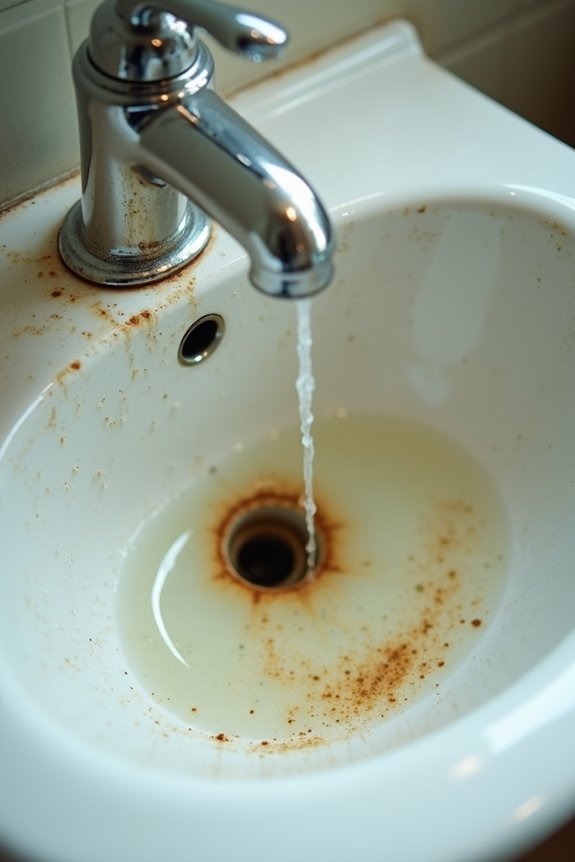
I’ve found that your bathroom sink water’s appearance, smell, and taste can tell you a lot about what’s actually coming out of your faucet. If you notice your water looking brown, red, or yellow, smelling metallic or like rotten eggs, or tasting off in any way, that’s your cue to pay attention. These changes usually point to rust, sediment, or contamination lurking somewhere in your pipes or fixtures.
Visual Signs Of Contamination
How’s your bathroom sink water looking these days? I’ve learned that what I see, smell, and taste matters. Let me share what I watch for in my own bathroom:
- Discoloration like brown or orange water signals rust or sediment buildup
- Metallic taste suggests corrosion from old pipes or metal components
- Foul odors such as rotten egg smells point to bacterial growth
- Cloudiness may indicate air bubbles or dissolved minerals from aging fixtures
- Visible particles warrant investigation of pipe deterioration or aerator issues
I don’t overlook these warning signs anymore. They’re not definitive proof of contamination, but they’re red flags I can’t ignore. When I notice anything unusual, I investigate before assuming my water’s safe to drink. Staying alert protects my family.
Unusual Odors And Tastes
Beyond what you can see in the water, your nose and taste buds deliver equally important clues. I’ve noticed that a sudden metallic taste often signals corroded pipes or leftover disinfectants. If your bathroom water smells musty or moldy, biofilm’s probably building up somewhere in your supply line. That sour or bitter taste? It usually means rust from aging pipes is wearing away. Brown or orange discoloration on your faucet aerator confirms it. Sometimes a chemical odor that lingers after running the tap for a minute points to stagnant water in your heater. Your senses are reliable detectors. When odor or taste changes show up alongside cloudy water or visible sediment, that’s your signal to stop drinking and get professional testing.
Why Bathroom Water Is Riskier Than Kitchen Water
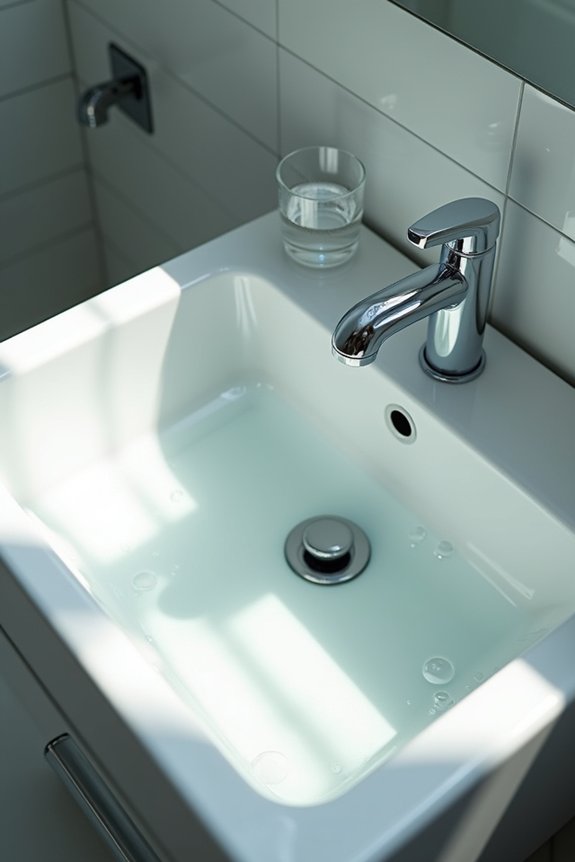
Why does bathroom water deserve extra scrutiny? Bathroom water faces unique risks that kitchen water typically doesn’t. Here’s what you should know:
- Stagnation builds up when water sits unused in bathroom pipes longer
- Lead contamination lurks in older homes with corroded supply lines
- Bacterial growth thrives near toilets and multiplies during flushing
- Fewer upgrades mean bathroom fixtures lack kitchen-style filters
- Hot water hazards foster mineral buildup traveling through water heaters
Bathroom water travels through different conditions than kitchen lines. Bacteria and aerosolized contaminants from cleaning activities increase risks. Your bathroom fixtures probably aren’t filtered like kitchen ones are. Plus, stagnation allows metals to leach into standing water. Understanding these differences helps you make informed choices about which tap water you’re comfortable drinking.
Run Cold Water Before Testing or Drinking
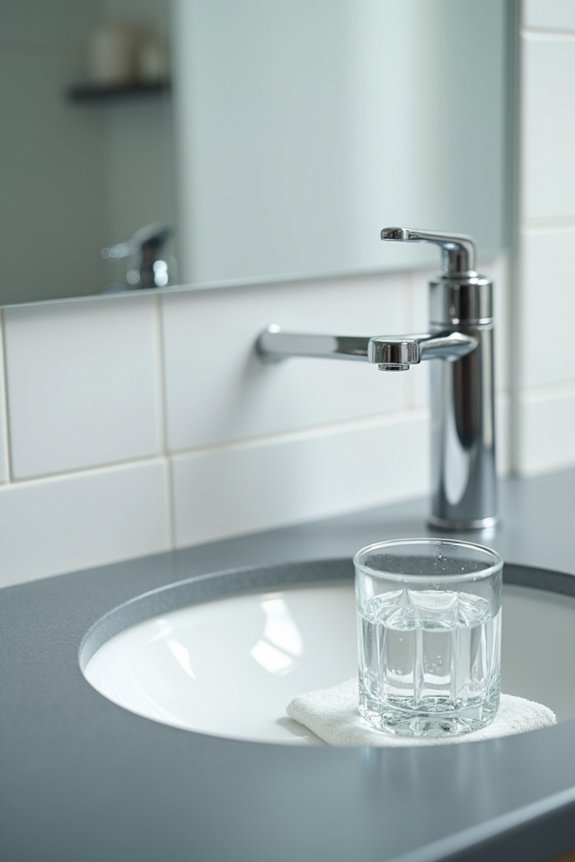
Before you test or drink from your bathroom sink, run the cold water for a minute or two. Cold water comes straight from the main line, so it hasn’t picked up the extra stuff that can build up in hot water tanks or sitting pipes. This quick flush clears out stagnant water and any gunk from your faucet, giving you a better picture of whether your water is actually safe.
Why Cold Water Matters
When’s the last time you thought about what sits in your pipes overnight?
I didn’t either until I started caring about drinking water safety. Here’s the thing: cold water matters more than you’d think. Let me explain why flushing your tap first actually protects you:
- Flushes stagnant water that’s been sitting idle
- Reduces metal buildup from pipes and fixtures
- Lowers microbial contamination in your supply line
- Avoids chlorine byproducts that form in hot water systems
- Gives you fresher samples consistent with current supply conditions
Cold water travels straight from the main supply with minimal contact time. That means less leaching from heaters or older pipes. When you’re checking drinking water safety, cold water tells you what’s actually coming into your home.
Flushing Before Consumption
Now that you understand why cold water matters, it’s time to actually use that knowledge. Here’s what I do: I run my bathroom faucet for 30 seconds to 2 minutes before drinking. This simple flushing routine removes stagnant water sitting in your pipes, which can harbor metals and bacteria we’d rather avoid.
I’ll be honest—I used to skip this step and regretted it. The difference is real. After flushing, I collect a small sample and do a quick taste and smell check. If it tastes metallic or sulfurous, I keep flushing. Most people’s water quality improves noticeably with this practice.
Your household plumbing might vary, so adjust timing as needed. Consistency matters more than perfection here.
Test Your Drinking Water for Lead and Metals
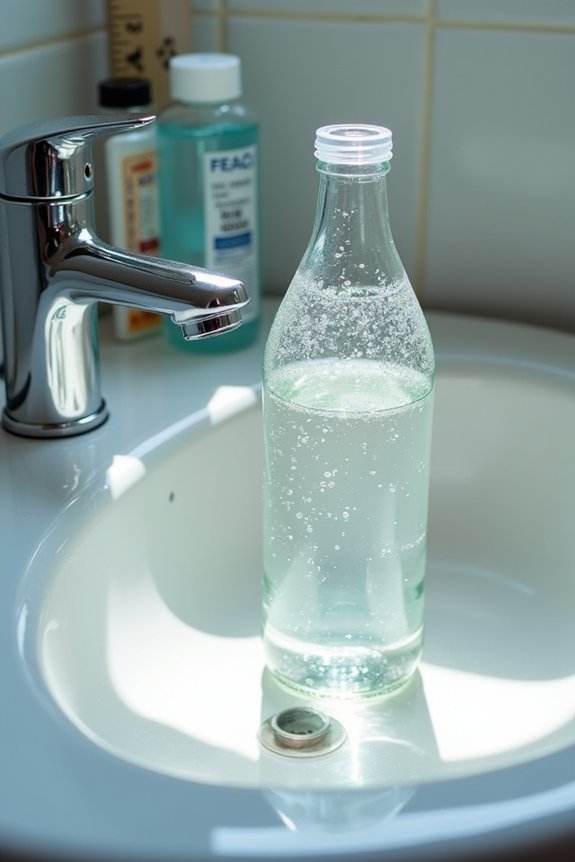
Why should you care about what’s hiding in your tap water? Testing for lead and metals isn’t just smart—it’s necessary, especially if you’re in an older home like mine.
Here’s what I recommend doing:
- Start with a home test kit to screen for basic metals like lead and copper
- Get professional testing for detailed contaminant analysis and actionable results
- Check your local water quality report for lead data and benchmarks
- Test regularly if you’ve got older plumbing or recent renovations nearby
- Call a plumber if results exceed your area’s action level
I discovered my water quality improved after testing. It gave me peace of mind and showed exactly what needed fixing. Knowing what you’re drinking matters.
Does Your Water Look, Smell, or Taste Off?
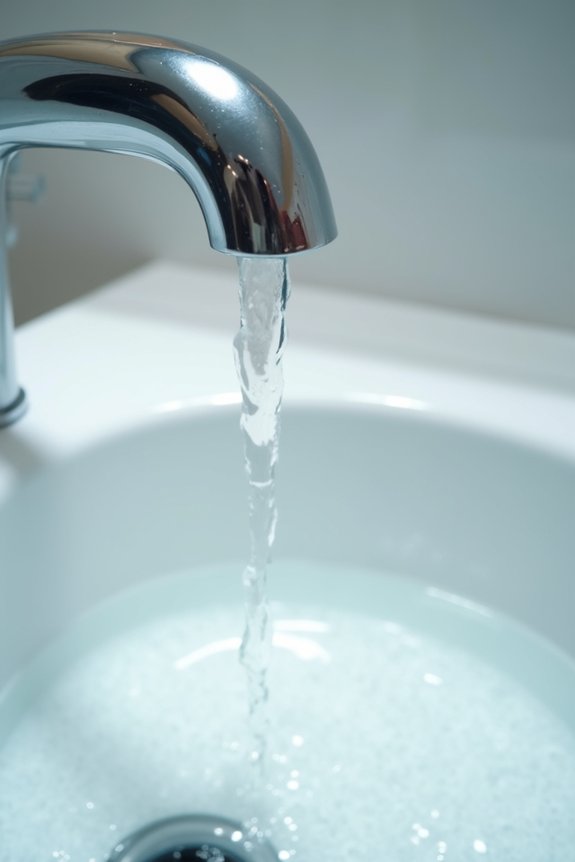
Your senses are actually pretty reliable tools for spotting water problems before they become serious ones. I’ve learned to trust what I see, smell, and taste.
Discolored water—rusty brown, yellow, or cloudy—signals sediment or rust from aging pipes. A metallic taste often means corrosion’s happening in your plumbing. That’s not ideal.
A chlorine smell? That’s usually just your water supplier’s disinfectants doing their job, though it might be stronger in some systems than others.
Musty or moldy odors concern me more. They suggest microbial growth in stagnant pipes, particularly after you haven’t used that sink for a while.
Here’s what I do: I run cold water for several seconds first. Then I test it with a basic home kit or check my local water report. These steps give me peace of mind.
Red Flags That Require Professional Testing
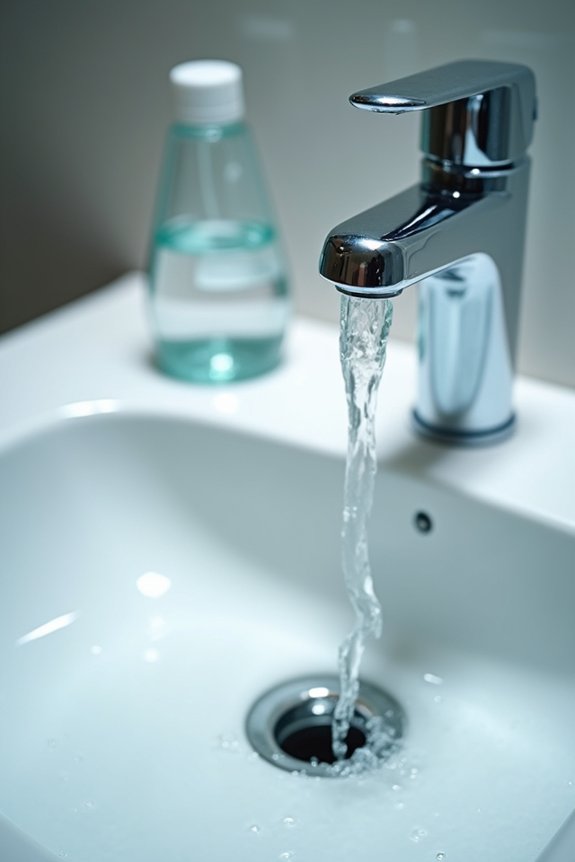
If you’re noticing your bathroom sink water looks cloudy, smells funky, or tastes metallic, that’s your cue to stop and get it tested professionally. I’ve seen plenty of people ignore these signs thinking they’ll go away, but honestly, they usually don’t without expert help. These red flags tell you something’s wrong with your water, and a licensed tester can pinpoint exactly what it is.
Visible Water Discoloration
When you turn on your tap and something looks off about the water, that’s your first clue to pay attention. I’ve learned that visible discoloration tells you something’s brewing in your pipes.
Here’s what different colors might mean:
- Rusty brown or orange water signals iron corrosion or sediment buildup
- Yellow tint suggests pipe rust that needs investigation
- White or cloudy appearance points to mineral scale or air
- Dark water with metallic taste indicates lead or copper leaching
- Sediment in your aerator means ongoing pipe deterioration
I’d recommend getting professional testing whenever you notice these contaminants. Don’t guess about what’s in your water—testing removes that uncertainty. Color changes after heavy use or overnight stagnation deserve attention too. Your health’s worth the investment in knowing what you’re drinking.
Unusual Odor Or Taste
Beyond what you can see, your nose and taste buds offer equally important clues about water safety. I’ve learned that sudden chlorine or metallic tastes signal disinfection byproducts or corroded pipes releasing metals. That’s worth getting tested for.
A persistent sulfur or rotten egg odor? That usually means bacterial activity or degraded rubber components in your faucet. A faint musty smell suggests biofilm buildup in stagnant pipes—also concerning.
Pay attention if odor or taste changes after plumbing repairs or seasons shift. These changes warrant professional assessment. Here’s my honest take: don’t rely solely on how your water smells or tastes. Strong, persistent odors or tastes deserve proper water testing for specific contaminants. Your safety matters, and testing gives you actual answers.
What to Do If Your Water Tests Positive
So your water test came back positive—now what? It’s stressful. But you’re not alone, and there’s a clear path forward.
First, identify what contamination showed up:
- Lead or copper above EPA limits: Take immediate action to reduce exposure
- Bacteria, coliforms, or E. coli: Boil water or use certified filtration until retesting confirms safety
- Disinfection byproducts or PFAS: Install proper filtration and contact your water supplier
- Total coliforms with negative E. coli: Retest and investigate the contamination source
- Nitrate or nitrite exceedances: Vulnerable groups need alternative water sources immediately
Once you’ve identified your specific issue, don’t panic. Most problems have straightforward solutions. Contact your water supplier—they’ve handled this before. Install appropriate filtration if needed. Schedule retesting to confirm the fix worked.
When It’s Safe to Drink From Your Bathroom Tap
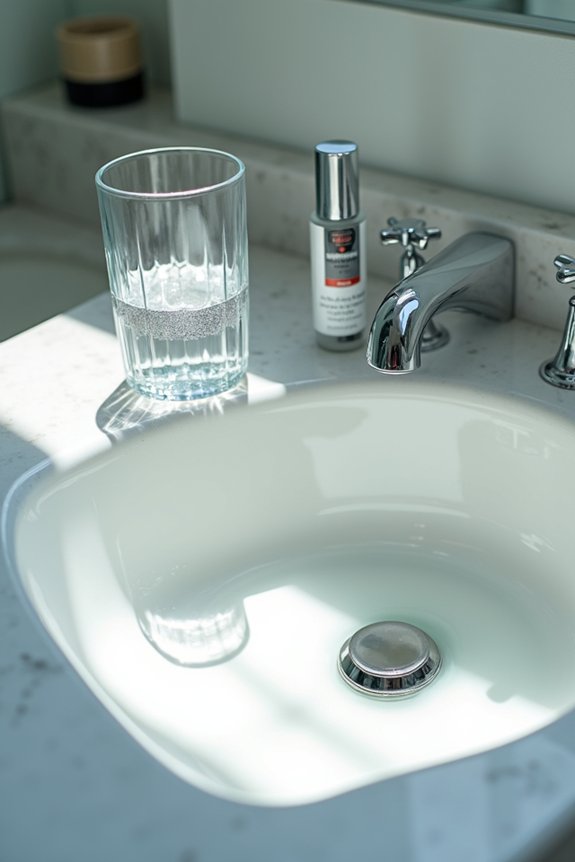
Once you’ve tackled any contamination issues, you’re probably wondering whether it’s actually okay to drink from your bathroom sink. The answer is straightforward—most of us can safely drink bathroom water if we take the right precautions.
Start by checking your local water quality report to see if your area meets drinking standards. If you’ve done lead and copper testing and the results are acceptable, you’re in good shape.
I recommend running cold water for 30 seconds before drinking. This flushes out stagnation from low-use lines and is a simple habit worth adopting.
Watch for warning signs as well. Any changes in taste, odor, or color mean you should avoid the bathroom tap until you investigate the source. When your water quality checks pass and you’ve flushed the lines, you can drink safely.