
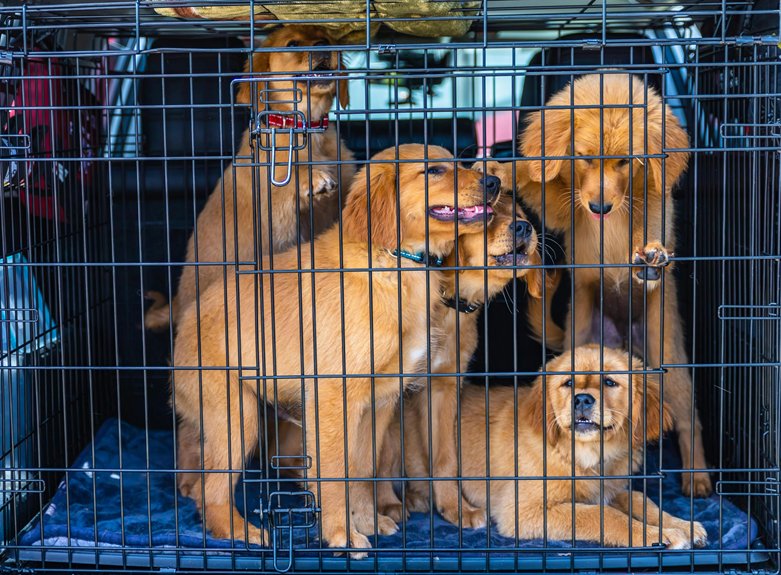
A backyard breeder is someone breeding dogs at home for profit without proper licensing or health testing. They prioritize money over puppy welfare, skip breed-specific health clearances, and avoid transparent documentation. You’ll spot them by their vague “vet-checked” claims, reluctance to show parents, and puppies available year-round.
Responsible breeders, by contrast, provide verified OFA or CERF certificates, meet you in person, and maintain waiting lists.
If you’re hunting for a healthy pup, knowing these differences could save you thousands in vet bills—and we’ll walk you through exactly what questions to ask next.
What Is a Backyard Breeder?
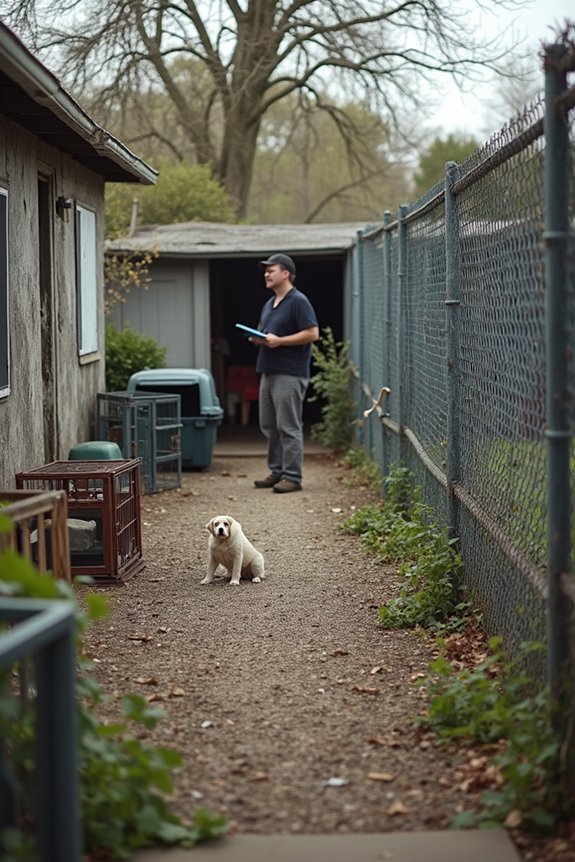
Ever wonder where some people get their puppies? A backyard breeder is someone who breeds dogs in their home without proper licensing or oversight. I’ve learned that these breeders often prioritize profit over puppy welfare.
Here’s what sets them apart: they typically sell directly to customers and may keep many dogs or just a few. They don’t screen buyers carefully or health-test parent dogs. This lack of care creates serious problems.
Puppies from backyard breeders frequently develop health issues because parents aren’t genetically tested. These dogs might face costly vet bills later. You won’t find the same standards or accountability that responsible breeders provide.
Understanding what a backyard breeder is helps you make informed decisions about getting a puppy. It’s worth knowing the difference before bringing a new family member home.
Why Backyard Breeding Harms Dogs and Communities
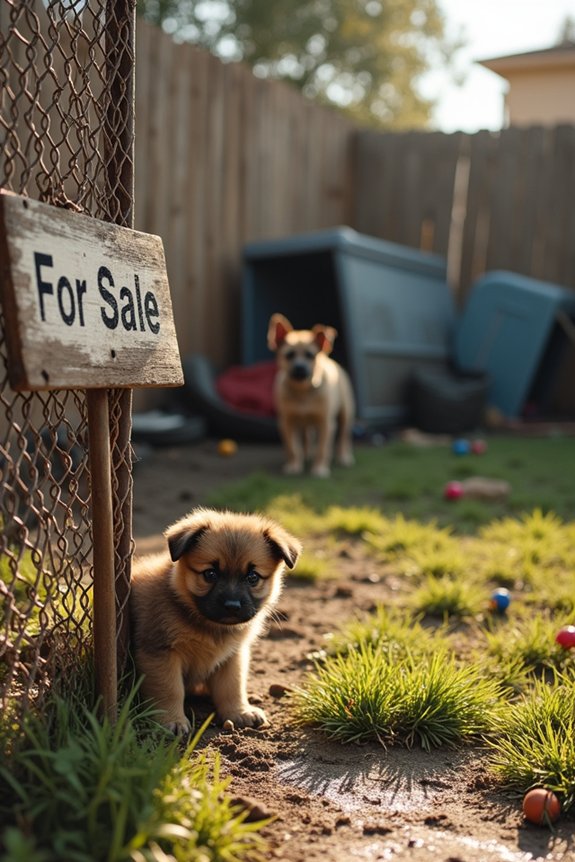
Now that you know what backyard breeders are, it’s worth understanding the real damage they cause. When I learned about health issues in dogs from backyard breeders, I was shocked. These operations prioritize profit over puppy wellness, producing dogs with genetic problems and behavioral issues. Puppies often have hip dysplasia, heart conditions, and temperament struggles that affect families long-term.
The community impact runs deep too. Abandoned litters flood shelters, overwhelming rescue workers and stretching resources thin. Backyard breeders skip health screenings and veterinary clearances entirely, meaning you’re inheriting serious medical bills. When you choose responsible breeders instead, you’re protecting your future dog and your local shelter system. It’s worth the extra effort finding ethical sources.
Red Flags: What Backyard Breeders Do Differently
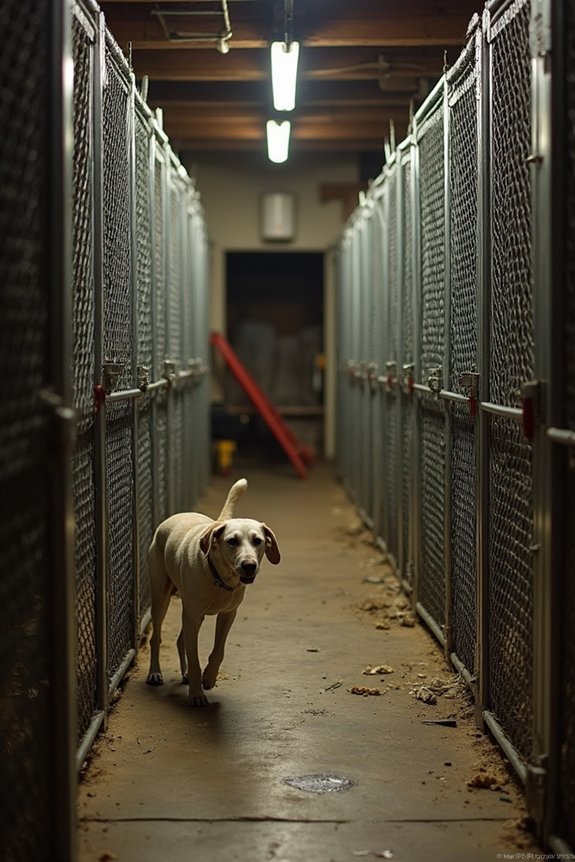
How can you tell if a breeder’s actually legit? I’ve learned that red flags tell you plenty about backyard breeders versus responsible ones.
Watch out if they won’t let you meet the parents. That’s a major warning sign I always note. Legit breeders proudly show health clearances for two generations—backyard breeders skip this entirely.
Here’s what else concerns me: puppies available year-round with no waiting list. Responsible breeders have waiting lists because demand’s real.
Multiple breeds or suspiciously large litters? That indicates a profit-focused operation. I’d also hesitate if they push you to buy quickly or sell puppies before eight weeks old.
Finally, check if they refuse references or dodge questions about their dogs’ backgrounds. Transparency matters when you’re bringing home your new family member.
Breeder Behavior Red Flags
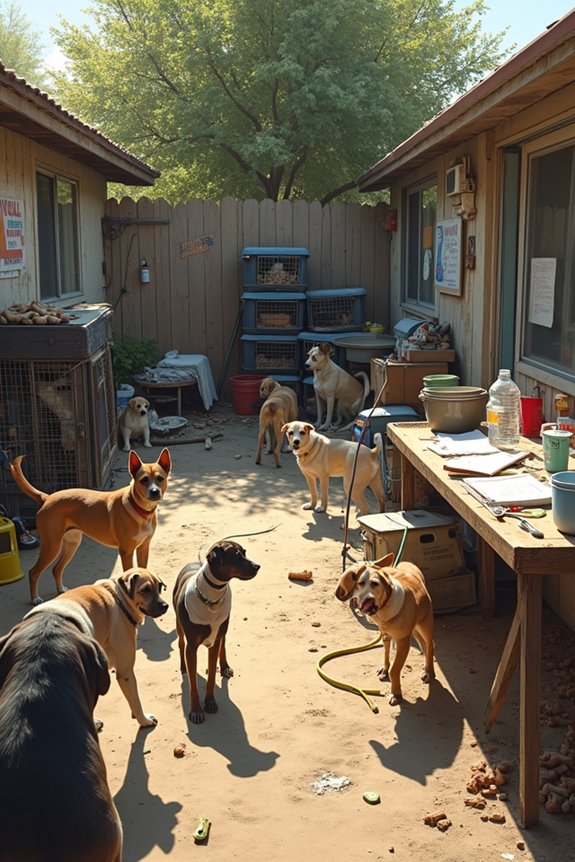
When you’re talking to a breeder, their actions reveal a lot about their priorities. I’ve learned that backyard breeders often skip basic screening questions about your lifestyle and home. They won’t ask if you have a fenced yard or time for training. That’s a major red flag.
Real breeders want to know you’re a good fit. They’ll ask about your living situation and experience with dogs. Backyard breeders? They’re just interested in making the sale fast.
Watch out if they pressure you to decide quickly or won’t discuss the puppy’s parents. These red flags tell you they’re focused on money, not the puppy’s future. A responsible breeder will happily share health clearances and answer your questions thoroughly.
Breeding Practice Red Flags
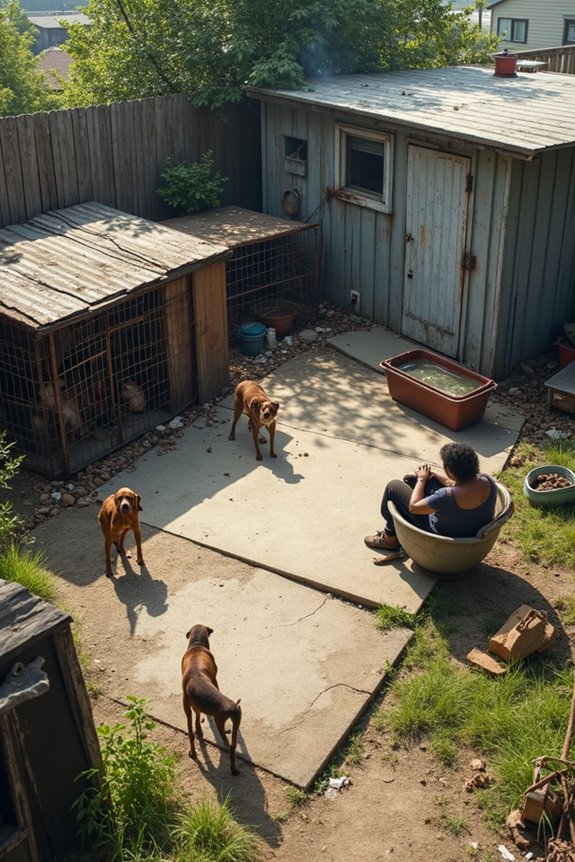
Beyond what a breeder says about their dogs, I’d encourage you to pay attention to how they actually treat them—and how they treat you. Backyard breeders often keep dogs in poor conditions like cramped cages or neglected spaces, and they’ll rush you into buying with pressure tactics like “this puppy won’t last long” or “prices go up tomorrow.” When you notice someone making quick sales their priority over finding the right match, that’s usually when I start questioning whether they’re genuinely focused on their dogs’ wellbeing.
Inhumane Housing Conditions
One of the clearest signs of a backyard breeder is what you’ll actually see—or won’t see—when you visit. Inhumane housing conditions reveal everything about how backyard breeders operate. You might notice cramped cages where puppies can’t move freely. Mother dogs stay confined for way too long with their litters. The space feels overcrowded and unsanitary, nothing like a proper facility.
Here’s what to look for: Are the dogs kept in disclosed locations? Do they have room to exercise? Can puppies socialize with each other? Poor housing creates stressed, unhealthy puppies prone to infections and behavior problems later.
When visiting a breeder, pay attention to your instincts. If something feels off about their setup, it probably is. A legitimate breeder welcomes your questions and facility tours without hesitation.
Pressure Sales Tactics
The physical setup tells you plenty, but how a breeder treats you during the sales process tells you even more. I’ve noticed backyard breeders often use pressure sales tactics to close deals quickly. They’ll push you toward fast decisions, refuse to answer questions, or insist on immediate pickup. They might offer suspiciously cheap prices or rush early adoption before puppies are ready. Reputable breeders, though? They prioritize finding the right home over speed. They’ll encourage you to ask questions and take time evaluating the fit. When a breeder pressures you, that’s your signal to walk away. Their motives likely don’t align with your puppy’s wellbeing. Pay attention to your instincts—the right breeder won’t rush you into anything.
Sales and Contract Red Flags
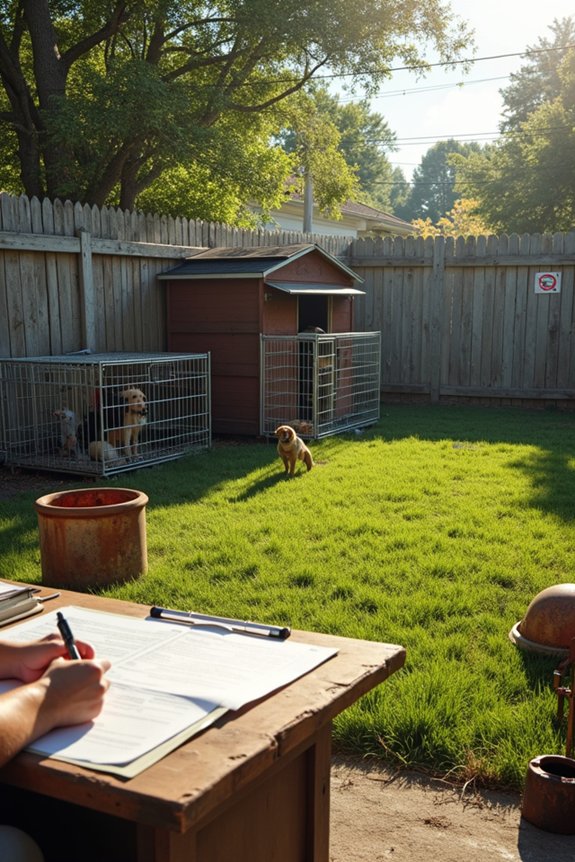
When you’re ready to bring a puppy home, how a breeder handles the sale tells you a lot. I’ve learned that irresponsible breeders often skip paperwork that responsible ones always include.
| Red Flag | What It Means |
|---|---|
| No spay/neuter contract | Breeder doesn’t care about preventing future litters |
| Puppies under 8 weeks | Money matters more than puppy welfare |
| Online-only sales | You can’t visit or assess conditions |
Backyard breeders typically avoid contracts altogether. They won’t require you to spay or neuter your puppy, which tells me they’re focused on quick cash, not your dog’s wellbeing. Legitimate breeders demand these agreements because they’re genuinely invested in their puppies’ futures. When someone pressures you to buy without proper documentation, that’s your signal to walk away and find someone trustworthy.
What Responsible Breeders Do Instead
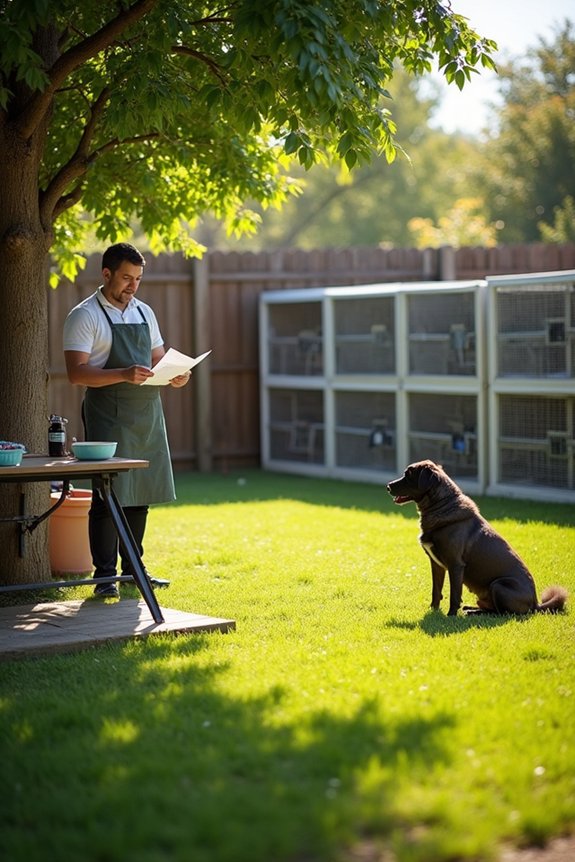
Now that you know what to avoid, let me show you what responsible breeding actually looks like.
Responsible breeders I’ve encountered operate differently. They maintain pre-arranged homes before breeding, so every puppy has a waiting family. They screen potential owners thoroughly, asking about lifestyle, experience, and living space. This matters because they care where puppies end up.
Health testing is required for them. They verify parents’ health clearances and share results openly. They also prioritize temperament and socialization, raising puppies in home environments rather than kennels.
What stood out? They offer dog-back guarantees. If things don’t work out, puppies return home. No questions asked. They also introduce you to both parents, let you meet the puppy, and document everything in writing.
These breeders breed one or two breeds, never multiple. They’re your partners in finding the right fit.
Health Testing and Certifications to Expect
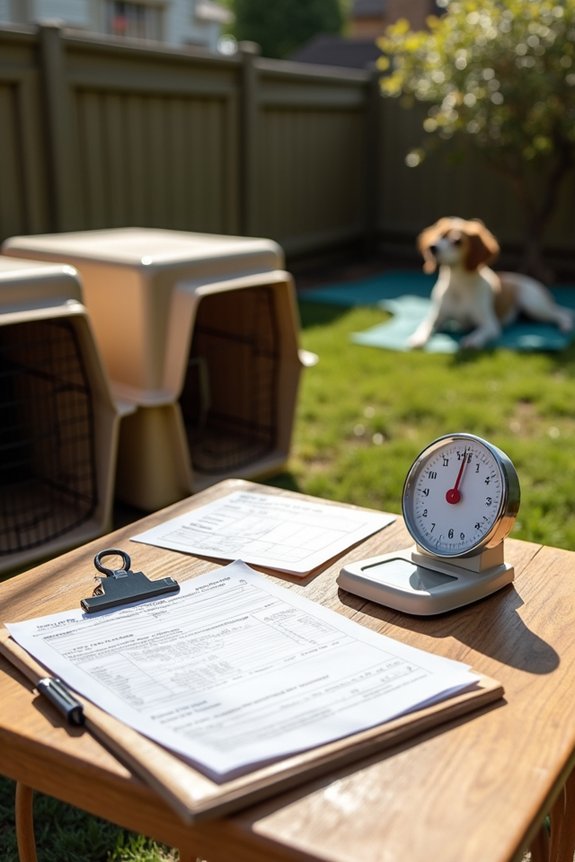
When I’m evaluating a breeder, I look for specific health clearances like OFA or PennHIP certifications that prove both parents were actually tested. You’ll want to see documented results—not just a breeder’s claim that a vet “checked them out”—because official paperwork shows they take breed health seriously. I’ve found that responsible breeders readily share these certificates and can explain what each test measures, while backyard breeders get vague or defensive when you ask for details.
Breed-Specific Health Clearances
How do you know if a breeder’s actually done their homework on health testing? I’ve learned that a reputable breeder shows you documented health clearances for both parents—not just a casual “the vet checked them out” story.
Here’s what matters: you’ll want to see certificates for breed-specific conditions. If you’re looking at a Golden Retriever, that means hip and elbow clearances. For certain breeds, eye certifications too. A real breeder hands over two generations of these results without hesitation.
When someone says their dogs are “vet-checked,” that’s a warning sign for me. Anyone can say that. But actual health clearances? Those are verifiable, specific, and prove someone cares about their puppies’ futures—and yours.
Documented Testing Documentation Standards
The difference between a breeder who’s serious and one who’s cutting corners shows up in their paperwork. When I started researching breeders, I realized documentation tells the whole story. Here’s what you’ll want to see:
- OFA or CERF certificates for both parents
- Genetic panel results tied to specific dogs
- Test dates and certification numbers listed
- Copies provided before litters are planned
A responsible breeder won’t just say their dogs got vet checks. They’ll hand you actual health tests showing real results. I’ve learned that generic statements are a major red flag. Legitimate breeders understand that showing their work builds trust with buyers like us. Ask for documentation—it’s totally reasonable.
Questions to Ask Before You Buy

What’s your gut telling you about this breeder? I’ve learned that asking the right questions separates responsible breeders from backyard breeders. Start by asking about health testing for both parents. A legitimate breeder won’t hesitate to share results. I always ask about breed-specific risks and what health guarantees they offer. Don’t settle for vague answers. Request information about litter size and whether they require spay or neuter contracts. Here’s the thing: backyard breeders often dodge detailed questions or seem annoyed by them. I’ve found that insisting on meeting the puppy’s parents in person weeds out the sketchy ones. A breeder worth buying from welcomes your scrutiny.
Visit the Facility and Meet the Parents
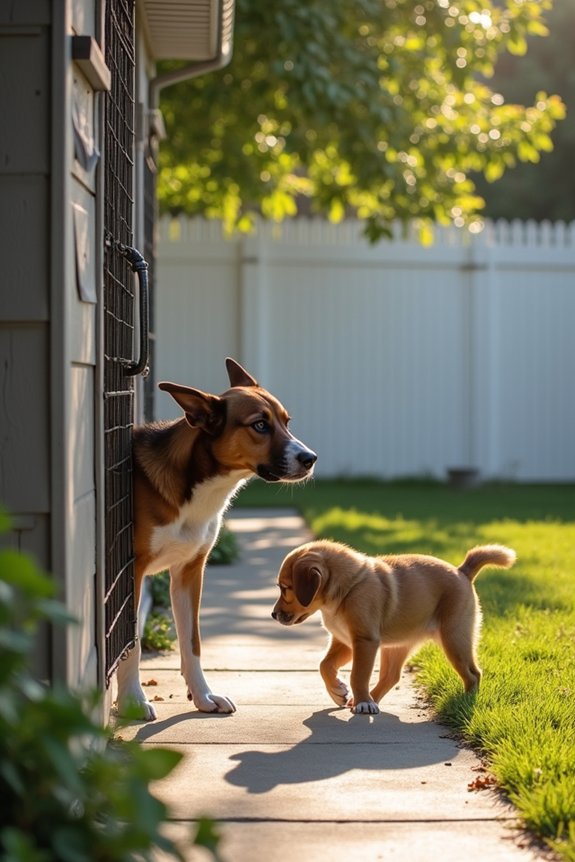
Once you’ve asked all the right questions, it’s time to see things for yourself. This step matters significantly. A responsible breeder will happily invite you to meet the puppy’s parents and tour their facility. Here’s what you should look for:
- Meet both parents in person or through documented records
- Assess their temperament and behavior firsthand
- Request verified health clearances for breed-specific issues
- Inspect the facility’s cleanliness and animal care standards
If a breeder hesitates or refuses to show you the parents, that’s a major red flag. I’ve learned this through talking with other puppy buyers. Legitimate breeders want you to understand inherited traits and verify health information. You’re not being pushy by asking—you’re being smart. Transparency builds trust, and that’s what separates responsible breeders from backyard operations.