

A kitchen witch is someone like you or me who brings intention to everyday cooking.
We treat our kitchens as sacred spaces where stirring soup clockwise and choosing herbs intentionally becomes spiritual practice.
Kitchen witches believe that ordinary ingredients carry energy and that mindfulness during meal prep creates real change—no fancy spells required.
We’re basically weaving intention into what we’re already doing.
If you’ve ever felt drawn to herbs or cooked with feeling, you might already practice this yourself.
There’s plenty more to discover about how to start.
What Is a Kitchen Witch?
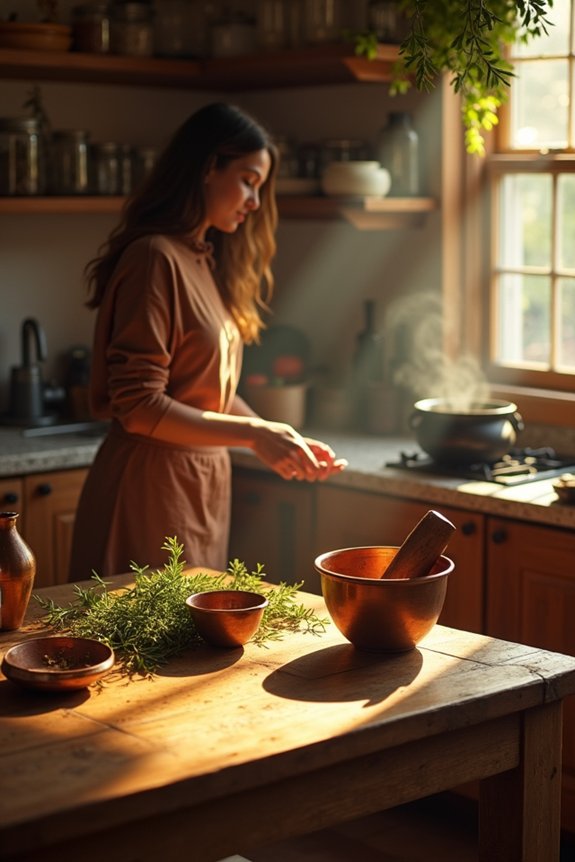
Ever wonder if your kitchen could be more than just a place to grab snacks?
A Kitchen Witch brings intention into everyday cooking. I treat my kitchen as a sacred space where practice unfolds naturally. It’s not complicated—I simply weave purpose into what I’m already doing.
When I cook, I’m not following rigid spells. Instead, I focus on the ingredients themselves. Herbs and spices become my tools. A pinch of basil isn’t just flavor; it carries purpose and energy.
The practice comes from mindfulness. I stir clockwise with intention. I choose seasonal produce deliberately. I clean with gratitude, not just obligation.
You’re probably already doing this without realizing it. That intuitive cooking you do? That’s kitchen practice. Honoring family recipes? That’s ancestral work too.
Your kitchen is waiting to become something more meaningful.
Kitchen Witch History: Northern European Origins
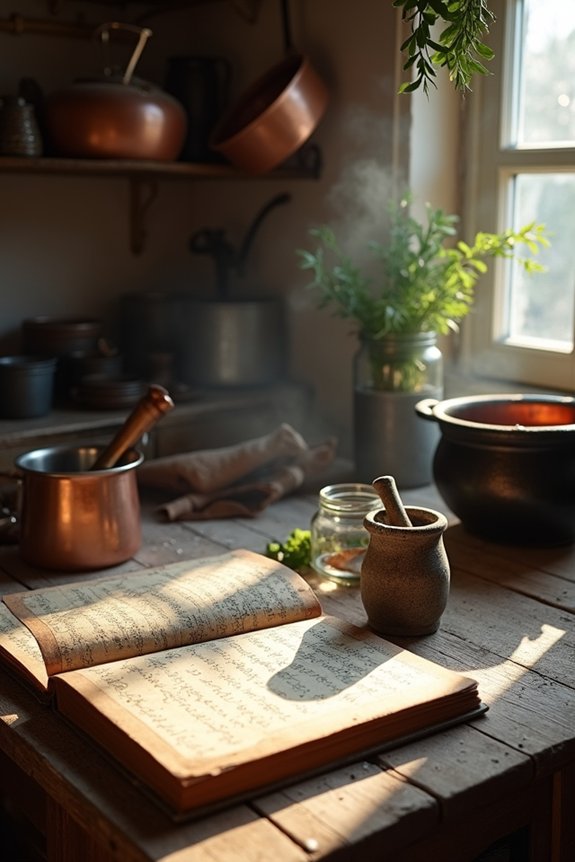
Where’d the kitchen witch actually come from? I’ll be honest—tracing this back is tricky. Most scholars point to Northern Europe, particularly Scandinavia and Germany, though exact origins spark debate among historians.
| Region | Purpose |
|---|---|
| Norway | Prevented burnt roasts and boiling-over pots |
| Germany | Protected homes from ill-will |
| England | Featured in Tudor-era wills and bequests |
These weren’t spooky figures—they were helpful guardians. Norwegians hung kitchen witches to prevent cooking disasters through domestic magic. English families documented them in historical records, like John Crudgington’s 1599 will, showing how seriously people took these protectors.
What fascinates me most? Food symbolism mattered deeply. People believed these poppets influenced everything happening at the hearth. They weren’t magical in Hollywood’s sense—they represented our ancestors’ practical wisdom about home and safety.
Core Beliefs of Kitchen Witches
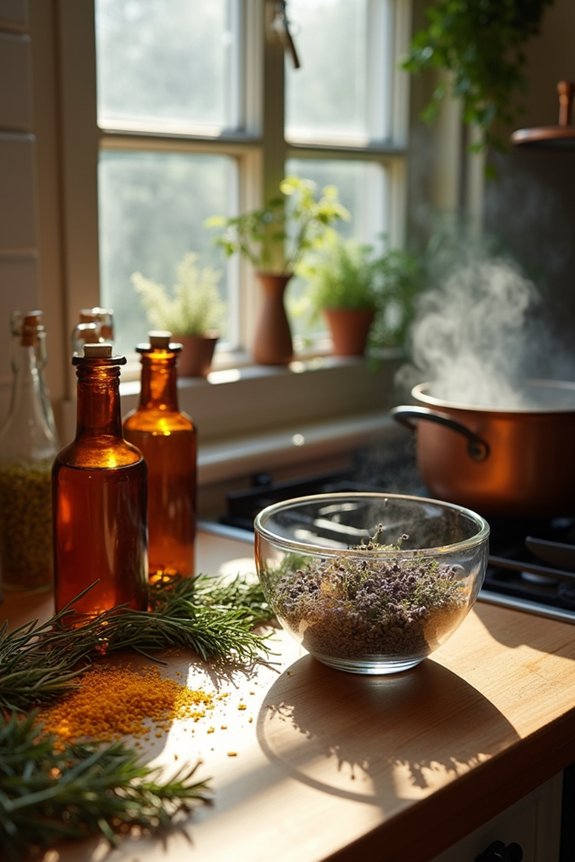
At the core of kitchen witchcraft, I’ve found that magic lives in everyday acts—stirring your morning coffee with intention or chopping vegetables mindfully brings ordinary tasks into meaningful rituals. Your beliefs shape everything you do, so I focus my practice on letting intention guide each action, whether I’m seasoning a soup or wiping down my counters. I treat my kitchen as a sacred space where nothing’s too small or mundane to matter, because that’s where significance resides.
Magic In Everyday Acts
Kitchen witches believe that magic isn’t confined to candlelit circles or ancient grimoires—it lives in the everyday rituals you probably already do. When I stir my morning coffee, I’m not just mixing ingredients; I’m infusing intention into nourishment. That’s kitchen magic at its core.
Everyday rituals turn ordinary moments into meaningful practice. Sweeping your kitchen becomes energy cleansing. Chopping vegetables becomes meditation. Even washing dishes carries purpose when you’re present and mindful. I’ve found that adding herbs intentionally—a pinch of cinnamon for warmth, basil for protection—shifts how the meal feels.
This approach makes witchcraft accessible. You’re not buying special tools or memorizing complex spells. Instead, you’re recognizing that every meal you prepare holds potential for healing and connection.
Intention Guides All Practice
How’d you know if your cooking was actually working? I’ll tell you—intention’s the difference between stirring soup and crafting magic.
When I approach my kitchen as a sacred space, I’m not just following recipes. I’m setting clear intentions before I start cooking. Maybe I’m stirring clockwise for abundance or adding protective herbs while thinking about my family’s safety.
| Daily Task | My Intention | How I Focus |
|---|---|---|
| Chopping vegetables | Gratitude | Thank each ingredient |
| Stirring soup | Protection | Visualize golden light |
| Seasoning meals | Healing | Pour care into every pinch |
| Setting the table | Connection | Envision loved ones together |
Mindful cooking turns ordinary moments into purposeful rituals. I’m genuinely present, not distracted by my phone. That focus, that attention—that’s what makes kitchen witchcraft real for me. This power is available to you as well.
Home As Sacred Space
Once you’ve got intention down, the real work begins in how you see your whole home—especially your kitchen. I’ve learned that treating your kitchen as a sacred space brings depth to everyday rituals.
Here’s what I do:
- Set up a small altar with candles, salt, or meaningful objects that represent protection
- Approach daily tasks mindfully—washing dishes becomes a cleansing ritual, not just chores
- Notice seasonal shifts by cooking with what’s fresh and in season
- Invite intention into cleaning by focusing on blessing your space while you sweep or tidy
When you view your home this way, ordinary moments become sacred. Your kitchen isn’t just where you cook; it’s where healing and harmony happen. I’ve found that this perspective helps me feel more connected to my space and grounded in my practice.
Are You a Kitchen Witch? Signs and Traits
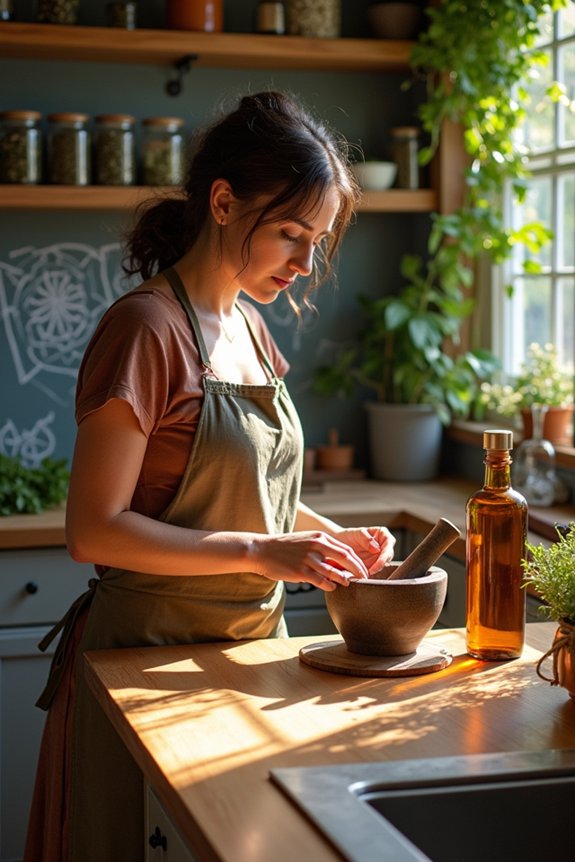
Ever find yourself talking to your plants while you cook, or feel like your homemade soup genuinely heals people? You might be a kitchen witch.
Kitchen witchcraft isn’t about spellbooks or dramatic rituals. It’s about infusing intention into everyday cooking. I notice kitchen witches share common traits: we’re drawn to herbs, we cook intuitively, and we believe food carries energy.
| Sign | What It Looks Like | Why It Matters |
|---|---|---|
| Herb fascination | Growing and using herbs intentionally | Herbs amplify your magical cooking |
| Intuitive cooking | Cooking without recipes, trusting your gut | Your instincts guide your intention |
| Seasonal eating | Choosing foods by season, not habit | You align with natural rhythms |
| Food gratitude | Blessing meals before eating | Gratitude deepens kitchen witchcraft |
| Connection to heritage | Family recipes feel ancestral | Your roots inform your practice |
Does this resonate with you?
Getting Started: Your Kitchen Witch Starter Kit
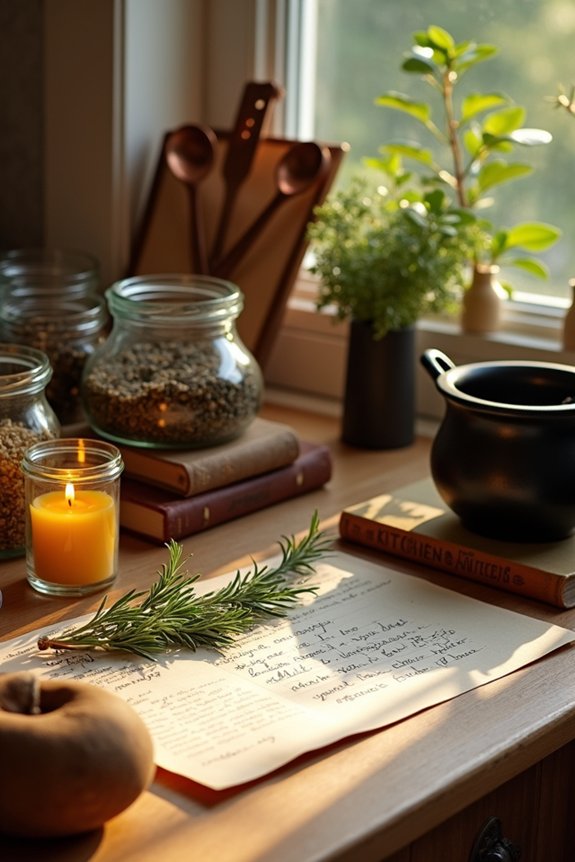
Ready to create a kitchen altar space? Starting simply works well. You don’t need expensive supplies to begin your Kitchen Witch practice—just intention and a willingness to add meaning to everyday tasks.
Here’s what I keep in my kitchen:
- Herbs and spices (dried rosemary, cinnamon, bay leaves)
- A small candle for setting intentions before cooking
- Crystals that resonate with you (I use clear quartz)
- A dedicated shelf or corner for your altar space
I started by focusing on one meal weekly, setting nourishment intentions while preparing it. Your rituals don’t require perfection—they require presence. As you cook and clean, you’re already practicing Kitchen Witchcraft.
How to Set Up Your Sacred Kitchen Space
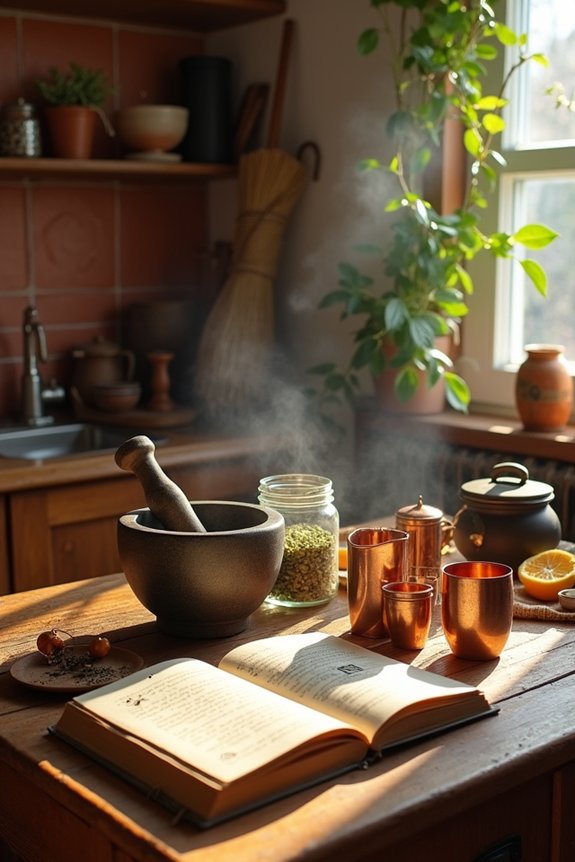
Now that you’ve gathered your basic tools, it’s time to arrange them intentionally. I started by clearing a kitchen shelf—nothing fancy, just space that felt right. Your sacred space doesn’t need to be large; mine’s honestly just a corner near my stove. I keep my crystals, candles, and dried herbs together where I can see them daily. This arrangement helps me stay focused on my intention before cooking. I organized everything by use: healing herbs in one section, abundance ingredients nearby. When your kitchen feels organized and deliberate, you’ll notice yourself pausing more, thinking about what you’re creating. That mindfulness turns ordinary cooking into something with real purpose.
Kitchen Witch Ingredient Magic: Herbs, Spices, and Oils
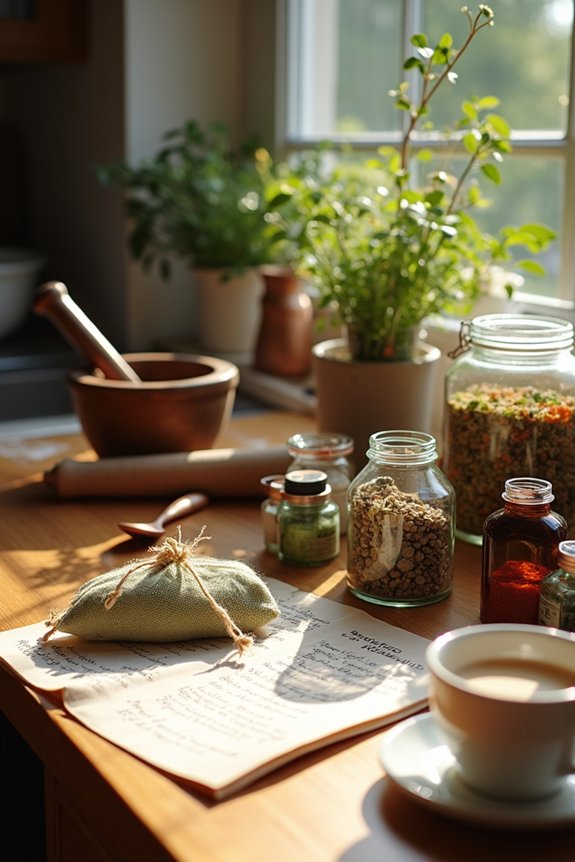
Once you’ve got your sacred kitchen space set up, the real work begins when you start working with specific ingredients—and I’ve learned that herbs, spices, and oils aren’t just for flavor. Each one carries its own energetic signature; rosemary has grounding properties, cinnamon brings warmth and abundance, and lavender calms everything down. I’ll show you how to recognize these magical properties and blend them intentionally so your cooking becomes a practical tool for personal change.
Magical Properties Of Ingredients
Have you ever wondered why certain herbs show up in recipes again and again?
I’ve learned that kitchen witches choose ingredients intentionally for their perceived magical properties. We’re not just cooking—we’re infusing our meals with purpose and energy.
Here’s what I’ve discovered about common ingredients:
- Rosemary promotes clarity and protection during preparation
- Cinnamon attracts abundance and prosperity into your home
- Basil brings positive energy and harmony to shared meals
- Lavender encourages calm and peaceful dining experiences
When I select herbs for my kitchen, I consider what outcome I’m seeking. Am I wanting healing? Protection? Abundance in my life? That intention guides everything I do.
The magic isn’t mysterious—it’s about mindfulness. By choosing ingredients thoughtfully and preparing meals with care, I’m creating something worth the effort. You can do this too.
Crafting Intentional Herbal Blends
Why blend your own herbs when you could just buy them separately? Because mixing them yourself infuses intention right from the start. I’ve found that creating herbal blends makes daily practice something deeply personal.
When I combine chamomile with lavender, I’m not just making tea—I’m setting an intention for calm. You’ll want to choose herbs that align with what you’re seeking: protection, healing, or abundance. Start simple with two or three ingredients you trust.
I keep my blends in glass jars near my kitchen workspace. Label them clearly and store them away from direct sunlight. This practice grounds my kitchen witchcraft in tangible action. You’re literally crafting intention with your hands, and honestly, that’s the whole point.
Simple Rituals You Can Do While Cooking Dinner
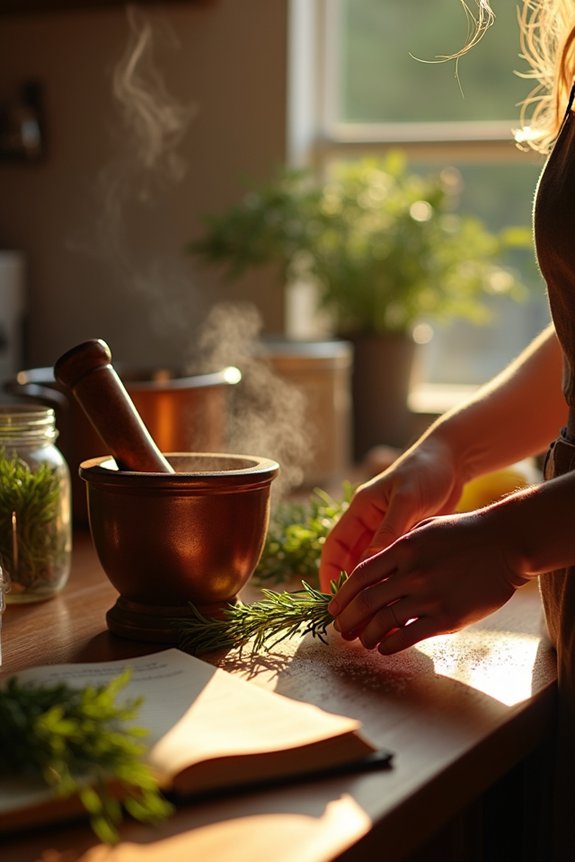
If you’re ready to make your everyday cooking more intentional, you don’t need fancy supplies or a lot of extra time.
I’ve found that simple rituals fit naturally into dinner prep. Here’s what I do:
- Bless your ingredients before mixing them together
- Stir clockwise to draw positive energy into your food
- Set your kitchen intent by speaking what you want to manifest
- Work mindfully while washing dishes or chopping vegetables
These practices connect me with my kitchen space in meaningful ways. When I’m chopping onions, I’m not just preparing dinner—I’m focusing my energy on nourishing my family. The rituals don’t interrupt cooking; they become part of it.
You’re already spending time in your kitchen anyway. Why not add these simple practices to your routine?
Moon Phases and Seasonal Cooking for Kitchen Witches
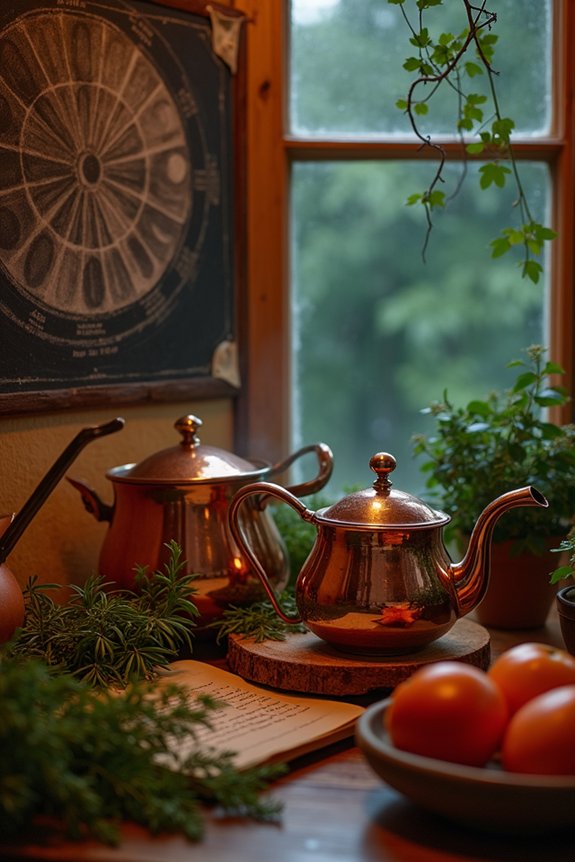
I’ve found that syncing my cooking with the moon and seasons makes ordinary meals feel like deliberate rituals connected to nature’s cycles. When I plan my recipes around what’s actually growing outside and the lunar phase happening overhead, my kitchen work becomes purposeful rather than routine. Let me show you how to use these cycles to deepen your own kitchen practice, starting with understanding what each moon phase can do for your cooking intentions.
Lunar Cycles And Intentions
How does the moon shape what you cook and why you’re cooking it?
I’ve found that lunar cycles influence my kitchen intentions. When I align my seasonal cooking with moon phases, cooking feels more purposeful. Here’s what I’ve discovered works:
- Full moon cooking amplifies abundance rituals and gratitude practices
- New moon meals focus on fresh starts and personal growth
- Waxing phases build energy for manifestation-centered dishes
- Waning phases support cleansing and releasing old patterns
I plan my meals around these lunar rhythms now. During full moons, I cook hearty, generous portions. New moons? That’s when I try unfamiliar recipes. Setting intentions before I chop vegetables or stir pots makes ordinary cooking into meaningful practice. You’re not just feeding yourself—you’re working with natural energy. It sounds mystical, but it’s just intentional living in your kitchen.
Seasonal Ingredient Selection
When you’re shopping for groceries or browsing the farmer’s market, the produce in front of you tells you something important—it’s telling you what your kitchen’s supposed to work with right now.
I’ve learned that seasonal ingredients aren’t just fresher and tastier; they’re aligned with what nature’s actually offering. Spring greens fuel new beginnings, while autumn squashes bring grounding energy. This mindful sourcing keeps me connected to natural cycles instead of fighting them.
I pair lunar-based cooking with what’s in season. Full moons guide abundance meals with peak ingredients, while new moons inspire lighter, intentional dishes. Shopping locally strengthens this bond further.
When I honor seasonal ingredients, my kitchen becomes a reflection of the earth’s rhythm. It’s less about forcing ingredients into dishes and more about letting the season guide what I actually cook.
Sabbat Celebration Through Cooking
Because the wheel of the year’s turning shapes everything I do in my kitchen, I’ve found that cooking becomes ritual when you sync it with the eight Sabbats and lunar cycles.
I mark each seasonal shift through intentional meal preparation:
- Samhain (autumn): I prepare root vegetables and darker foods honoring ancestors
- Imbolc (early spring): I bless food with fresh herbs symbolizing renewal
- Beltane (late spring): I cook with fire-roasted ingredients celebrating change
- Lughnasadh (late summer): I use grains and bread for gratitude rituals
Seasonal cooking during sabbats isn’t complicated. I simply choose ingredients reflecting each season’s energy, set clear intentions before cooking, and bless my food mindfully. This practice grounds me in nature’s rhythm while connecting me to a larger community of kitchen witches honoring the same cycles.
Next Steps: Deepen Your Kitchen Witchcraft Practice
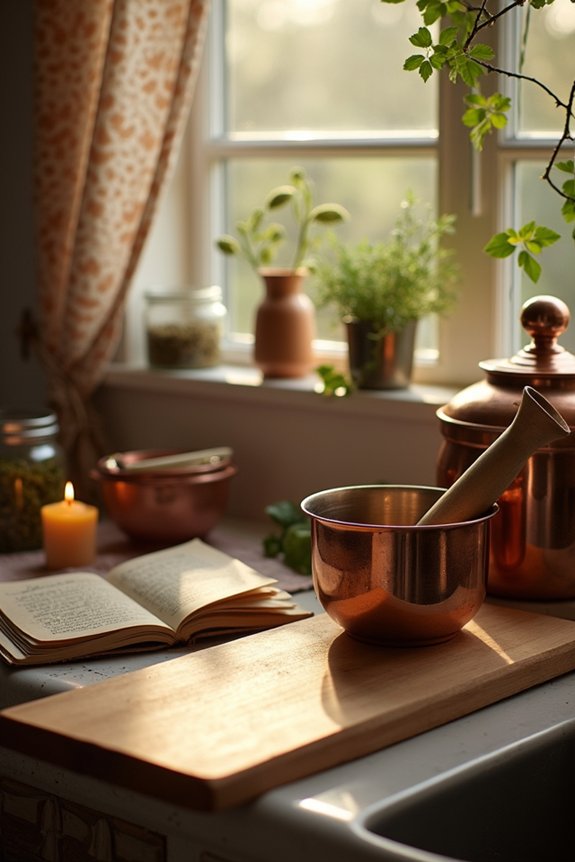
Now that you’ve got the basics down, it’s time to deepen your practice and make it truly your own. I’ve found that deepening your kitchen ritual means trusting your gut more and rigidly following rules less. Start experimenting with mindful cooking by slowing down during meal prep. Notice how each ingredient feels in your hands. I keep a seasonal nourishment journal where I jot down what grows locally each month, then build recipes around those foods. This keeps my practice connected to nature’s rhythms. Try dedicating a small shelf to your favorite herbs and crystals. When you cook, set intentions before you begin. These small shifts create genuine meaning in your cooking for you and everyone you feed.