
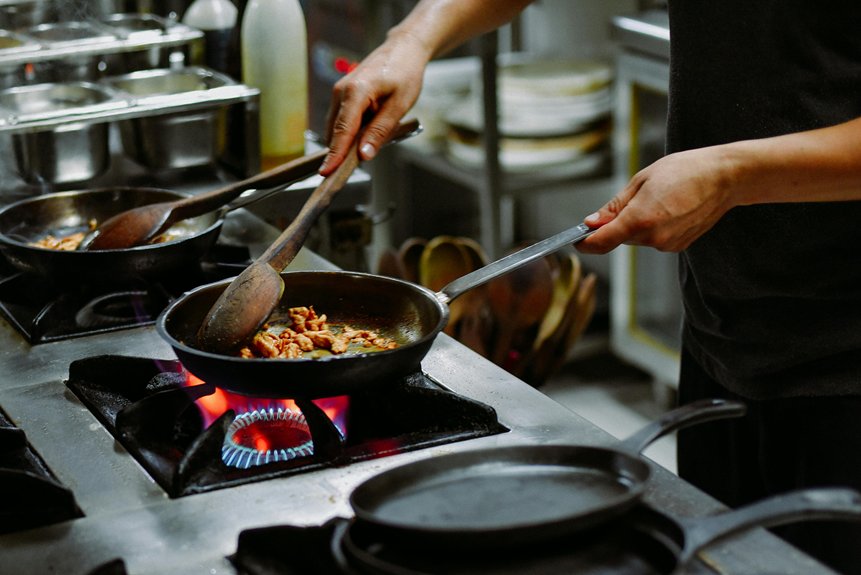
A scratch kitchen starts with whole ingredients—fresh vegetables, grains, dairy—and builds everything from there. You won’t find pre-made sauces or frozen components hiding in the back. Instead, chefs make stocks, breads, and dressings daily, controlling every step. It’s honestly just cooking the way kitchens used to work. The real payoff? Superior flavor, transparency about what you’re eating, and meals tailored to your needs. Stick around to discover what separates genuine scratch operations from the rest.
What Is a Scratch Kitchen?
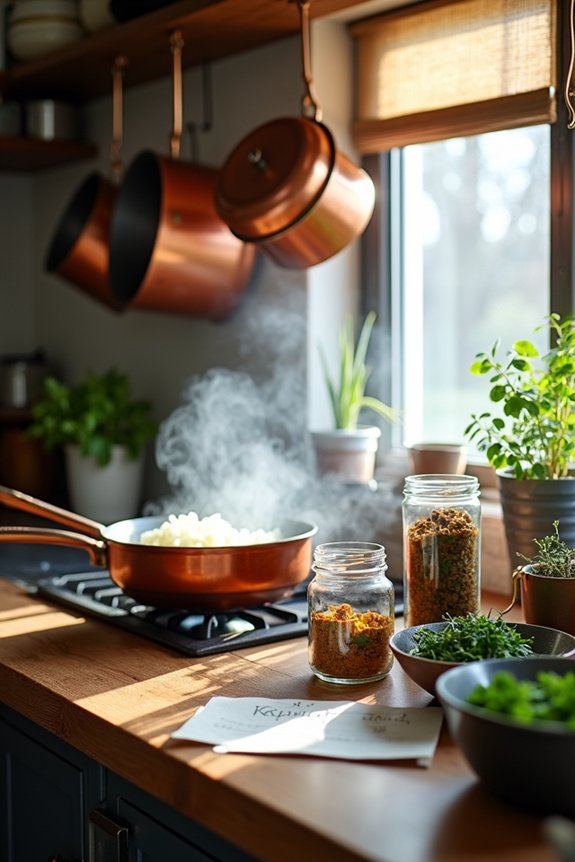
Ever wonder why some restaurants taste so much better than others? I’ve found the answer: scratch cooking. A scratch kitchen is where chefs prepare everything from scratch using fresh ingredients. That means the sauces, dressings, bread, and desserts? All made right there in-house.
What makes this approach special is the commitment to quality. Instead of relying on pre-made components or mass-produced items, scratch kitchens focus on whole foods and traditional techniques. I’ve watched skilled cooks master basic skills like chopping, sautéing, roasting, and baking.
The real value emerges when you understand how ingredients interact. This in-house preparation signals authenticity and care. When you taste food from a scratch kitchen, you’re experiencing hands-on cooking without shortcuts. That’s why the difference is so noticeable.
How Scratch Kitchens Differ From Conventional Cooking
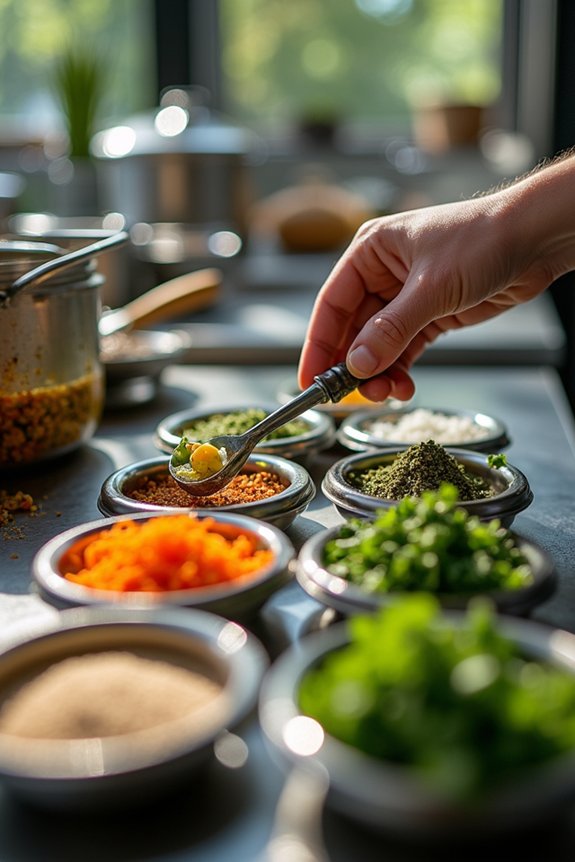
What’s the real difference between a scratch kitchen and what most restaurants do? I’ll be honest—it’s pretty substantial. Most conventional kitchens rely on pre-made components and mass-produced items. They’ll heat up frozen sauces or grab bottled dressings. Scratch kitchens? We’re doing things differently. We’re building everything from fresh ingredients and from-scratch techniques. That means I’m making my own stocks, sauces, and breads daily. No shortcuts with preservatives or stabilizers here. We’re sourcing local, quality ingredients whenever possible. Sure, some operations use speed-scratch methods for efficiency. But the core work? That’s always from basic ingredients. It’s more labor-intensive, absolutely. Yet it’s how we maintain control over what goes into every plate. That’s the real distinction.
Fresh Ingredients That Define Scratch Cooking
At the core of scratch cooking, you’ll find one fundamental principle: fresh, whole ingredients matter more than anything else. I’ve discovered that building meals from basic raw components affects how food tastes and nourishes my body.
When I commit to in-house preparation, I control every element. Here’s what I prioritize:
- Fresh produce sourced from local farmers markets
- Whole grains ground into flour at home
- Herbs picked fresh from my garden
- Tomatoes chopped by hand, never canned
- Dairy products without additives or preservatives
Farm-to-table cooking connects me directly to my food’s origins. I know where ingredients come from, supporting local agriculture while maximizing seasonal flavors. This transparency matters because I’m feeding myself and people I care about. Fresh ingredients simply work better—they taste brighter, feel more satisfying, and align with how I want to eat.
Why Scratch-Cooked Meals Taste Superior
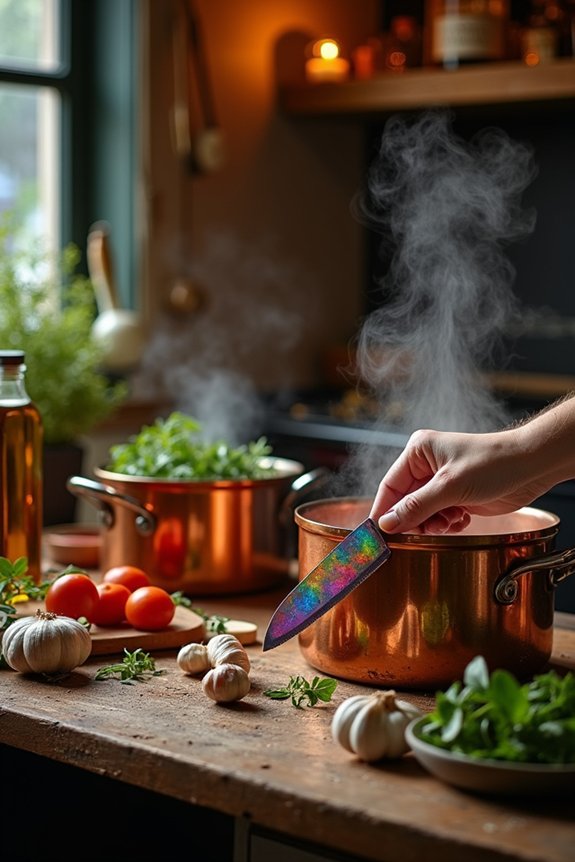
I’ve found that scratch-cooked meals taste better because you’re starting with real, fresh ingredients—no weird additives or preservatives sneaking in to dull the flavor. When I control the cooking technique myself, whether that’s slow-roasting vegetables or hand-whisking a dressing, I can build layers of taste that you just can’t get from pre-made stuff. Plus, I know exactly what’s going into every bite, which means I can season it right and actually taste the natural food, not chemicals.
Fresh Ingredients Enhance Flavor
One bite of a scratch-cooked meal tells you something immediately: it tastes *better*. That’s because fresh ingredients deliver natural flavors that processed components simply can’t match. When I cook with local sourcing and seasonal produce, I notice the difference right away. The colors pop brighter, and the aromas fill my kitchen more intensely.
What fresh ingredients bring to your table:
- Peak flavor from seasonal, locally sourced vegetables and fruits
- Natural color and aroma without artificial preservatives
- Control over salt and sugar levels in every dish
- Clearer ingredient signatures without masked, processed tastes
- Better texture that frozen or pre-made items can’t replicate
Fresh herbs, quality meat, and whole foods let me tailor cooking techniques perfectly. Roasting, sautéing, or slow cooking fresh ingredients amplifies flavor development. You’re not just eating dinner—you’re tasting real food.
Technique And Preparation Matter
Fresh ingredients alone won’t get you across the finish line—you’ve got to know what to do with them. I’ve learned that technique separates good food from great food. When I master basic skills like proper chopping, sautéing at the right temperature, and roasting until edges caramelize, I’m building real flavor. In-house preparation means I control every step. I make my own sauces and dressings from scratch, which taste far better than bottled versions. My knife skills improve with practice, making prep faster and more enjoyable. Semi-prepared items like pre-cut vegetables help when I’m short on time, but I still finish dishes with care. The combination of quality fresh ingredients plus solid technique creates meals that impress. That’s when you know you’re cooking right.
Natural Taste Without Additives
When I cook from scratch, I’m using fresh ingredients without additives or preservatives masking natural flavor. Here’s what changes:
- Fresh produce retains its bright, genuine taste
- No hidden sodium or sugar lurking in pre-packaged components
- Natural aromas develop during cooking
- I know exactly what’s in every bite
- Seasonal ingredients taste vibrant and alive
Without fillers and colorants, my palate picks up subtle flavors I’d otherwise miss. Roasting vegetables or braising meat lets their true character show. That’s the difference between tasting food and tasting ingredients.
Once you’ve experienced this clarity, processed meals feel hollow by comparison.
Health Benefits of Scratch Kitchen Dining
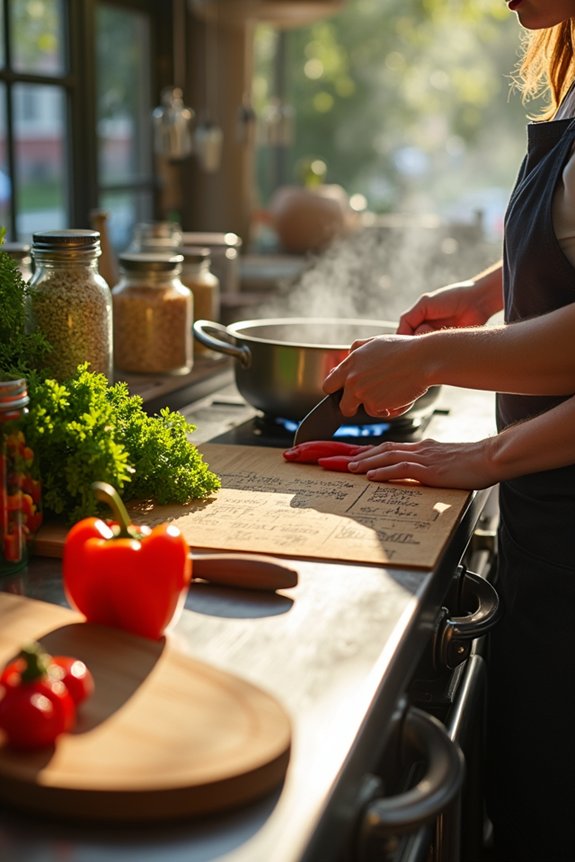
When I cook from scratch, I know exactly what’s going into my meals—no mystery additives or preservatives sneaking in. Fresh ingredients like locally-sourced vegetables and quality meats pack more nutrients than their processed counterparts, which means my body actually gets the good stuff it needs. I’ve noticed that ditching all that added sodium and sugar makes me feel better, and honestly, it’s not as complicated as it sounds once you get the hang of it.
Fresh Ingredients Nutritional Value
One thing I’ve noticed when I eat at scratch kitchens is how much better I feel afterward. That’s because fresh ingredients in scratch cooking deliver real nutritional value. You’re getting vitamins and minerals that processed foods have already lost.
Here’s what makes fresh ingredients so powerful:
- Fresh produce contains more vitamins than preserved alternatives
- You’ll absorb higher fiber intake from whole foods
- Seasonal, local ingredients pack better flavor and nutrients
- Zero preservatives means fewer chemicals entering your body
- Real knowledge of what’s in your meal builds confidence
When I choose scratch cooking, I’m not just eating better—I’m actually nourishing myself. The nutritional value is clear. My energy levels improve, and I feel like I’m taking care of my body instead of just filling my stomach.
Avoiding Additives And Preservatives
Because scratch kitchens make everything from raw ingredients, you’re actually getting food without all the hidden stuff. I’ve noticed that when I cook at home, I know exactly what goes into my meals—no mystery additives or preservatives lurking anywhere.
| What’s Hidden | Pre-Made Foods | Scratch Kitchens |
|---|---|---|
| Preservatives | Often present | None needed |
| Colorants | Artificial dyes | Natural colors |
| Emulsifiers | Multiple types | Unnecessary |
| Sodium | High levels | Controlled |
| Sugar | Hidden amounts | Measured only |
Fresh ingredients speak for themselves. You’re building additive-free meals from whole foods, which means your body gets what nature intended. When you skip processed items and make sauces yourself, you’re choosing real food over chemistry sets. That’s the scratch kitchen difference I’ve come to appreciate.
Farm-to-Table Sourcing in Scratch Kitchens
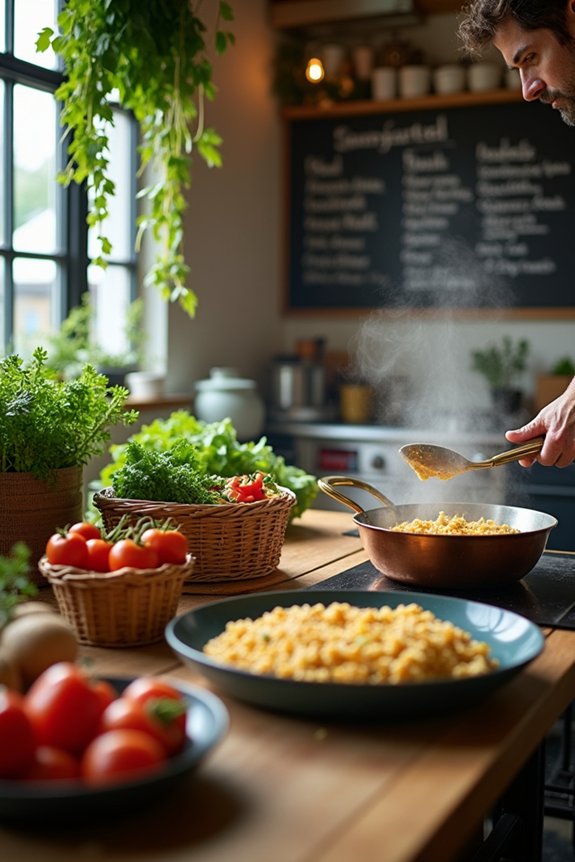
The heart of scratch cooking beats strongest when ingredients come straight from local farms. I’ve found that farm-to-table sourcing changes how we cook and eat together.
Here’s what makes local sourcing so powerful:
- Peak freshness arrives faster without long transportation times slowing things down
- Seasonal menus shift naturally with what farmers harvest right now
- Direct partnerships build community between kitchens and nearby producers
- Nutritional quality stays higher when ingredients aren’t sitting in storage
- Transparency matters—we list farm partners on menus so you know exactly where your food comes from
When I work with local farms, I’m not just buying vegetables. I’m part of a movement toward sustainable cooking that respects both people and planet. The flavor difference is honest and real. You’ll taste freshness in every bite, and that’s something no long-distance supply chain can match.
Why High-Volume Kitchens Abandon Full Scratch Cooking
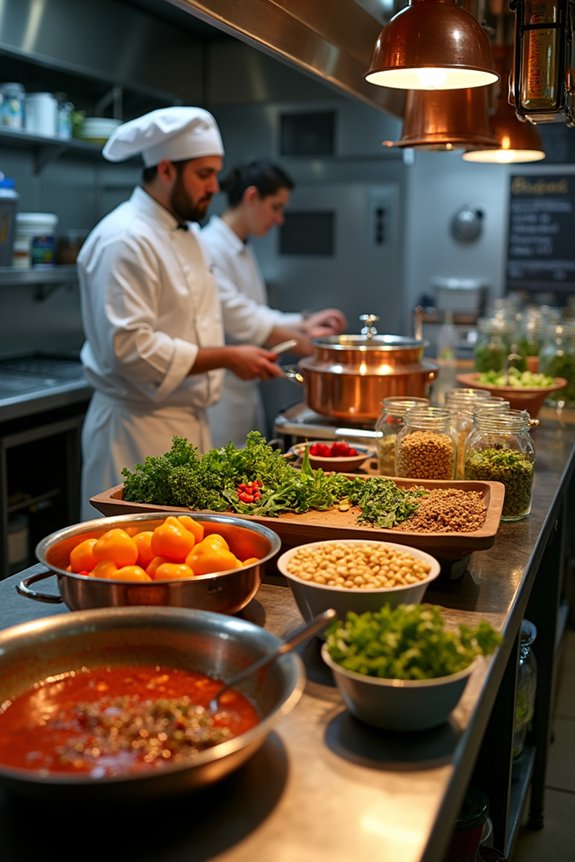
I’ve learned that when you’re feeding hundreds of people daily, sticking to 100% scratch cooking isn’t realistic—volume, labor, and time constraints just won’t allow it. You’ve got to balance quality with practicality, which is because most high-volume kitchens like mine use a mix of scratch techniques and semi-prepped ingredients to keep things moving without sacrificing what matters most. It’s not ideal on paper, but it’s how we actually deliver consistent, quality dishes night after night.
Volume Service Constraints
Why do fancy resort kitchens sometimes skip scratch cooking altogether? Honestly, it comes down to reality. I’ve learned that high-volume service demands create real constraints that pure scratch cooking can’t always meet.
Here’s what I’ve discovered about volume pressures:
- Banquets require hundreds of plates within tight windows
- À la carte orders arrive constantly during service
- Labor costs skyrocket when everything’s made from scratch
- Consistency becomes harder with massive output demands
- Kitchen space limits what you can actually produce
The truth? Most upscale operations use a mixed approach. We prioritize scratch cooking for signature dishes while using pre-prepped components for bulk items. This balance keeps quality high without sacrificing speed. It’s not about cutting corners—it’s about being realistic with what high-volume service actually requires from us.
Labor and Cost Efficiency
Once you accept that speed matters in high-volume kitchens, you’re forced to reckon with labor costs. I’ve learned that pure scratch cooking demands serious staff hours—hours that drain your budget fast. That’s where efficiency comes in. By using speed scratch techniques with pre-cut vegetables or portioned proteins, I’m cutting prep time dramatically. My team spends less energy on tedious chopping and more on actual cooking and flavor development. It’s honest: we’re balancing scratch integrity with real-world constraints. Pre-prepped components aren’t cheating—they’re smart. This mixed approach lets us maintain quality while keeping labor costs reasonable. We’re still scratch cooking where it counts. Sometimes efficiency means working smarter, not just harder.
Practical Quality Compromises
The honest truth? High-volume operations can’t always do 100% scratch cooking. I’ve seen kitchens struggle to balance consistency, batch timing, and throughput without quality suffering.
Here’s what actually happens:
- Pre-cut vegetables reduce prep time significantly
- Semi-prepared ingredients maintain recipe integrity
- Speed scratch methods preserve flavor while saving labor
- Advanced planning becomes necessary for feasibility
- Mixed approaches combine scratch elements with pre-prepped components
Banquets and large service events especially drive this compromise. You’re working with demanding timelines and hungry crowds. Quality remains my priority, though—flavor, texture, and presentation don’t get sacrificed just because we’re using some convenience items. We’re balancing practical constraints with culinary standards. It’s not perfect scratch cooking, but it’s honest, realistic, and still delivers the food you’d actually want to eat.
Speed Scratch: The Practical Middle Ground
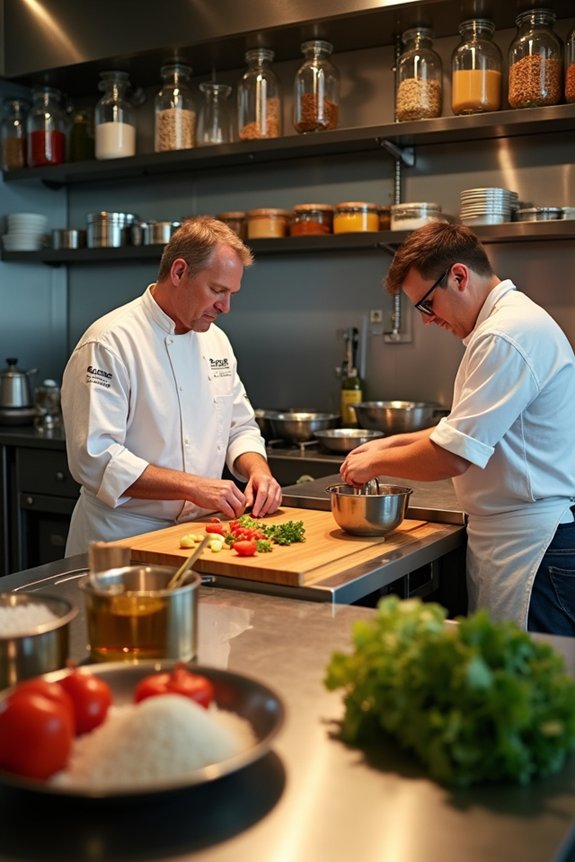
How do you cook restaurant-quality meals without spending your entire shift prepping vegetables? You embrace speed scratch—the practical middle ground between true scratch cooking and fully prepared ingredients.
I use semi-prepared components like pre-cut vegetables and shredded cheese to slash my prep time. It’s not cheating; it’s smart efficiency. I still focus on fresh ingredients and technique where it matters most—developing flavor and nailing the plate.
Speed scratch lets me portion proteins to exact sizes, which speeds up both cooking and plating without sacrificing consistency. I’m handling the meaningful work while skipping tedious tasks that drain energy.
This approach works well in busy kitchens. You’re delivering scratch-quality dishes at higher volume, keeping customers satisfied and yourself functional. That’s the real advantage here.
Custom Menus and Dietary Flexibility in Scratch Kitchens
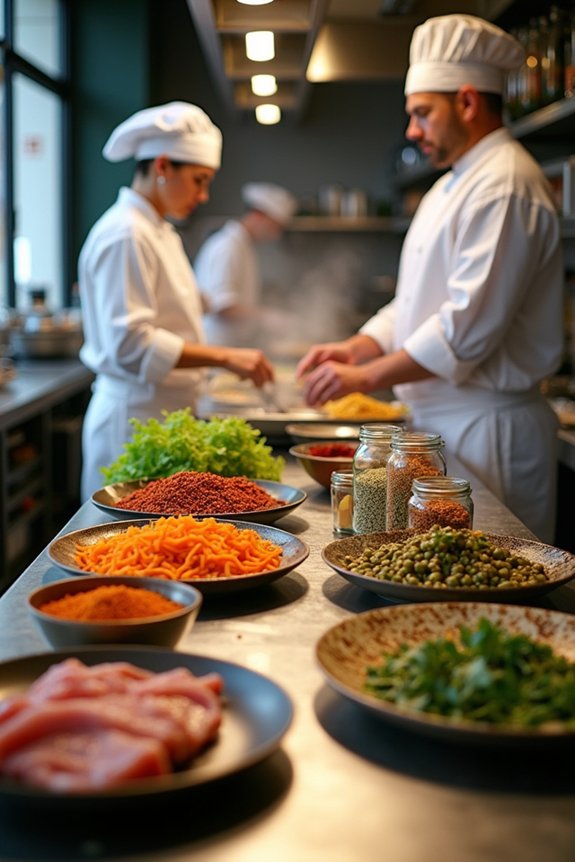
What if I told you that custom menus aren’t just a luxury perk—they’re actually easier to pull off in a scratch kitchen?
Here’s the thing: when you’re working from fresh ingredients, you’ve got real control over what lands on plates. I can build dishes that fit your vision and your guests’ needs simultaneously.
Consider what’s possible:
- Swap dairy for plant-based alternatives in any sauce
- Adjust spice levels without reformulating entire dishes
- Create keto versions alongside regular options with ease
- Accommodate gluten-free diets using quality base ingredients
- Design allergen-free plates without compromise
That collaborative tasting? It’s where the work gets done. You and I sit down, sample options, and nail exactly what you want. Since everything’s made from scratch, tweaking flavors or textures isn’t complicated—it’s just part of the process. That’s dietary flexibility done right.
What the Scratch Kitchen Experience Delivers
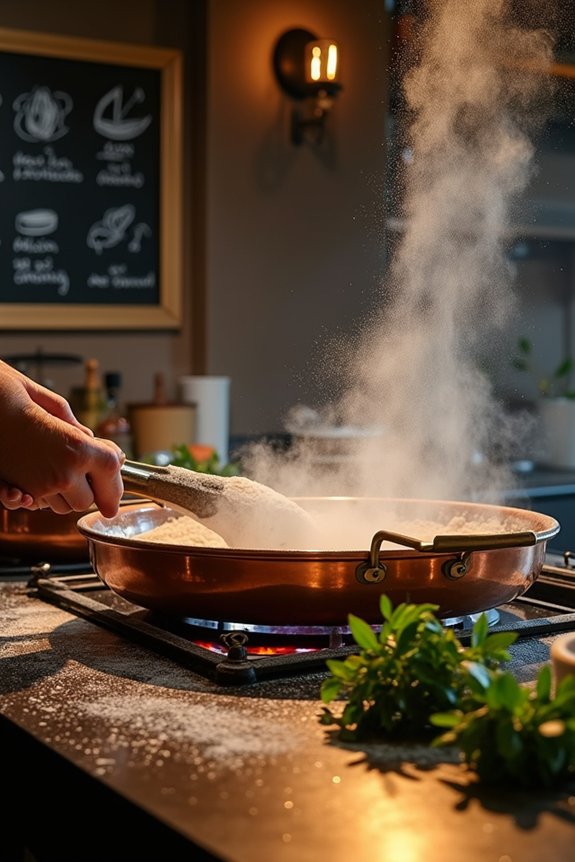
So here’s what you actually get when you step into a scratch kitchen: real food that tastes like someone cared about making it. You’ll notice the difference immediately. Everything’s made from fresh ingredients—no mysterious additives or preservatives hiding in your meal. The sauces? Made that morning. The bread? Baked in-house. That matters because you’re tasting actual flavor, not chemicals masking shortcuts.
I’ve found that scratch kitchens often prioritize local sourcing too. This means supporting nearby farms and getting ingredients at peak freshness. Your meal connects you to your community in a tangible way.
You’re not just eating food here—you’re experiencing deliberate preparation. Every component reflects care and quality. That’s the scratch kitchen promise: nourishment without compromise.
How to Spot a True Scratch Kitchen
When you’re trying to figure out if a restaurant’s really doing scratch cooking, the menu itself tells you plenty. I’ve learned to look for telltale signs that separate true scratch kitchens from the pretenders.
Here’s what I pay attention to:
- Seasonal menu changes that reflect available fresh ingredients
- Uncommon sauces and dressings made in-house, not bottled
- Homemade breads and desserts listed proudly on the menu
- Simple ingredient descriptions without mysterious additives
- Honest admissions about what they don’t make from scratch
The real indicator? When a restaurant’s willing to explain their in-house preparation methods. True scratch kitchens don’t hide their process. They’re proud of their fresh ingredients and traditional techniques. Ask your server questions—genuine scratch operations love talking about what they’ve made.