

Before you bury your dog, check your local county laws first—Georgia’s rules vary by location. You’ll need property ownership, a permit possibly, and a spot at least three feet deep away from water sources. Complete the burial within 24 to 48 hours using a biodegradable container. If backyard burial isn’t allowed where you live, cremation or pet cemeteries are solid alternatives. The specifics depend on your exact situation.
Is Backyard Dog Burial Legal in Georgia?
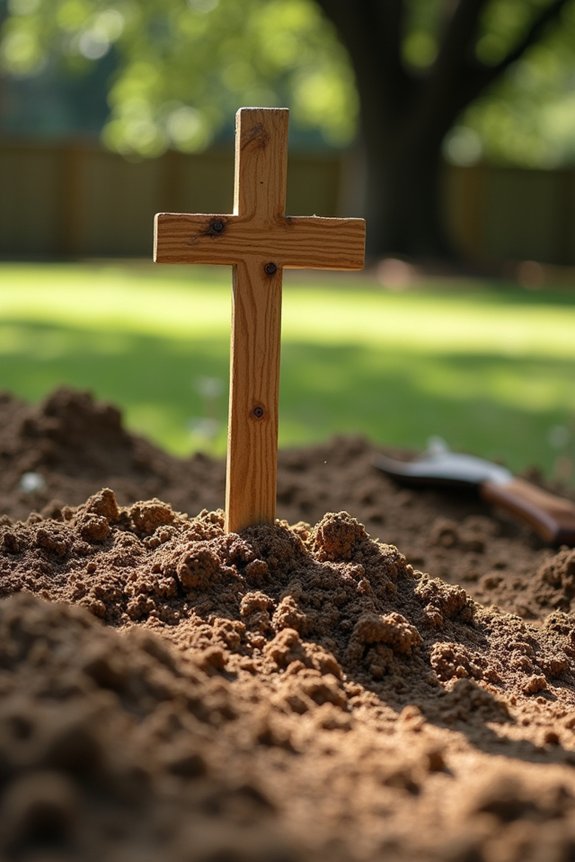
If you’re thinking about burying your dog in your backyard, Georgia allows it in many cases, though the rules vary by location. Regulations differ significantly by county and municipality, so you’ll need to check your specific local ordinances before proceeding.
Before you start digging, verify that backyard burial is permitted where you live. Some areas require permits, while others don’t. Contact your local county health department or city office to confirm requirements. They’ll explain any documentation you need and answer questions about your situation. Taking these steps upfront prevents problems later and keeps your pet’s final arrangements compliant with Georgia’s guidelines.
How to Find Your Local Burial Laws and Restrictions
Where do you even start when you’re trying to figure out local burial laws? I’d recommend calling your county clerk’s office first—they’re helpful and knowledgeable. Next, contact your city or township government to ask about backyard burial regulations. You’ll want to know if permits are required and what depth restrictions apply in your area.
Check your local health department too. They often have specific rules about distance from water sources and property lines. Ask neighbors about their experiences as well; they’ve navigated these regulations already.
Your veterinarian can point you toward local laws as well. Some areas require cremation instead, so understanding your region’s stance matters before you bury your dog. Taking time upfront saves headaches later.
Common Reasons Why Cities Ban Backyard Burial
Because decomposing remains and chemicals can seep into groundwater, many cities restrict or ban backyard pet burial altogether. I’ve learned that local ordinances prioritize public health protection above all else. Euthanasia drugs and decomposing bodies pose real contamination risks to your community’s water supply.
Decomposing remains and euthanasia drugs can seep into groundwater, which is why many cities restrict backyard pet burial to protect water supplies.
Cities also worry about scavengers digging up shallow graves, which spreads disease and creates neighborhood problems. You’ll find that backyard burial bans typically prevent graves near wells, water sources, and gardens—basically anywhere contamination could happen.
Zoning laws enforce these restrictions by requiring burials only on permitted private land. Most ordinances demand minimum depths and containment standards you’d need to follow anyway.
Beyond safety, your city considers long-term property values and land-use planning. These groundwater protection measures aren’t meant to inconvenience you—they’re genuinely protecting everyone’s health.
Do You Own Your Property? Why It Matters for Burial
Your ownership status actually determines whether backyard burial is legal for you.
If you own your property, you’re generally in the clear, but you’ll still need to check local ordinances. Renters and those without explicit permission cannot proceed. Property rights vary depending on your situation.
| Ownership Status | What You Can Do |
|---|---|
| Own the property | Verify local rules first |
| Renting | Get landlord permission |
| Unclear boundaries | Contact your municipality |
Before burying your dog, verify your ownership rights and understand any zoning conditions. New leases or ownership changes can affect burial legality too. This step protects both you and your pet’s final resting place.
Your Alternatives If Backyard Burial Isn’t Allowed
If backyard burial isn’t an option where you live, cremation services and pet cemeteries are your two solid alternatives. You can choose private cremation, which returns your dog’s ashes to you, or communal cremation if you’re looking for a more cost-effective route—costs typically run anywhere from $50 to $450 depending on your dog’s size. A licensed pet cemetery offers that traditional burial feel without the legal headaches, while cremation lets you keep your pup’s ashes at home or scatter them somewhere meaningful.
Pet Cremation Services
What happens when backyard burial isn’t an option for you? Pet cremation offers a solid alternative worth considering. I’ve found that private cremation services return your dog’s ashes, though they’ll run you $150 to $450 depending on size. If that’s expensive for your budget, communal cremation costs just $50 to $200, but you won’t receive ashes back.
Your veterinary clinic can arrange pet aftercare providers for you. I’d recommend searching IAOPCC’s tool to find reputable pet cremation services in your area. They maintain solid standards you can rely on. Newer options like aquamation exist too, though they’re not widely available yet for pets.
The whole process is manageable once you’ve found the right provider. It’s about finding what works for your family and honoring your dog’s memory.
Professional Cemetery Options
Pet cemeteries present another solid option when backyard burial won’t work for your situation. These facilities offer flexibility you might not expect. Your vet can connect you with local options, and many coordinate directly with cremation services too.
| Service Type | What It Offers | Best For |
|---|---|---|
| Private plots | Individual burial spaces | Dedicated memorials |
| Communal plots | Shared burial areas | Budget-conscious families |
| Green burial | Biodegradable containers | Eco-conscious pet owners |
What matters: regulations vary by state, county, and city. Distance from water, depth requirements, and land-use rules all apply. You’ll want to verify what’s allowed in your area before deciding.
Compare costs, maintenance services, and whether you can keep ashes in urns. Professional cemeteries handle the heavy lifting, giving you peace of mind.
Prepare Your Yard: Check Ground Conditions Before Digging
Before you start digging, check a few ground conditions that will affect your burial plans. You’ll want to understand your soil type and drainage, how high your water table sits, and when frost lines hit your area—because frozen ground in winter or soggy clay won’t cooperate with a 3-foot burial. Taking these factors into account now saves you from frustrated digging later.
Soil Composition And Drainage
Have you ever dug a hole in your yard only to watch it fill with water? I learned that lesson the hard way. The soil you choose matters tremendously for your dog’s burial site.
Here’s what I’ve discovered about creating proper conditions:
- Sandy or loamy soil drains naturally and prevents groundwater contamination
- Clay-heavy soil traps water and creates drainage problems you’ll regret
- Test your yard’s drainage by digging a small hole and observing water behavior
- Avoid low spots where water naturally pools after rain
I realized I needed to understand my yard’s composition before proceeding. Dense soil basically guarantees problems. You’ll want that burial site remaining dry and stable. Good drainage protects groundwater and maintains respectful conditions for your pet. Take time assessing your soil type first.
Water Table And Proximity
Because I didn’t check my water table before digging, I almost made a costly mistake. High water tables can seriously compromise your burial depth plans. You’ll want to verify your groundwater level first—it’s easier than dealing with contamination issues later. Proximity to wells, waterways, and irrigation sources really matters for preventing groundwater contamination. Aim for at least 50 feet away from water features when possible. Sandy, permeable soils drain poorly and won’t protect your pet adequately. If your water table sits high or your soil drains quickly, consider cremation or a pet cemetery instead. Check with your city or county about distance requirements too. It’s worth the extra effort upfront to get this part right.
Frost Lines And Seasonal Changes
When’s the best time to dig in your yard—that’s the question I didn’t ask myself, and I nearly paid for it.
I learned that seasonal ground conditions matter way more than I realized. Before you start digging, check your local frost depth, which varies by location. Here’s what I wish I’d known:
- Frozen ground prevents digging entirely, so avoid winter burials unless soil thaws
- Frost lines can reach several feet deep, influencing your required burial depth
- Spring and fall offer ideal conditions when soil isn’t frozen or waterlogged
- Check local digging restrictions based on seasonal regulations and frost patterns
I’d recommend calling your local authorities first. They’ll tell you when digging’s actually permitted in your area. Waiting until conditions cooperate beats fighting frozen earth or creating an incomplete grave you’ll regret later.
Dig Deep: The 3-Foot Minimum and Proper Depth
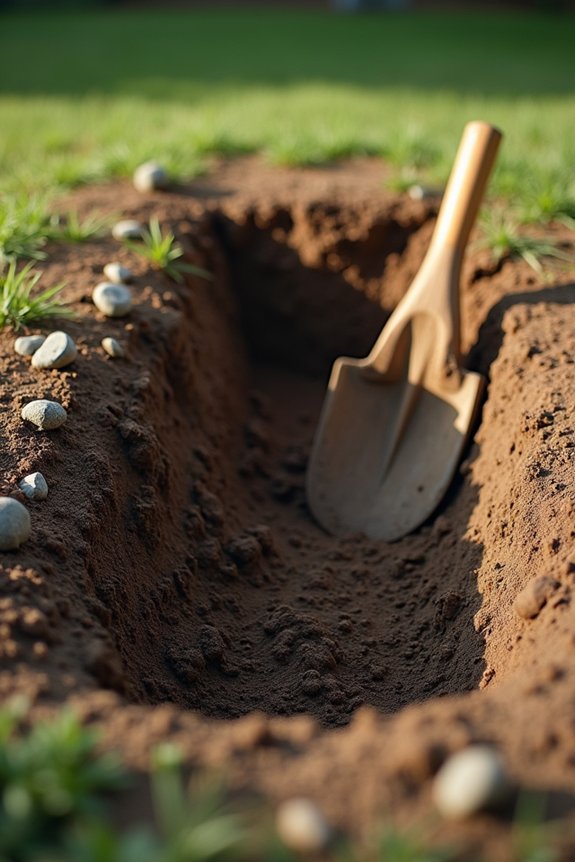
How deep should you actually dig? Burial depth matters more than you’d think. You’ll want to dig at least three feet down for proper backyard pet burial. This minimum depth deters wildlife from disturbing the site and meets most local guidelines.
Here’s a quick reference for burial depth standards:
| Depth Range | Purpose |
|---|---|
| 2-3 feet | Georgia minimum requirement |
| 3-8 feet | Safe burial zone |
| Beyond 8 feet | Risk of hitting utilities |
Avoid going deeper than eight feet—you might hit groundwater or underground lines. Two feet is Georgia’s bare minimum, but three feet gives you better groundwater safety. Place your burial spot away from water sources too. Following these guidelines means you’re doing right by your companion.
Choose a Biodegradable Container for Your Dog
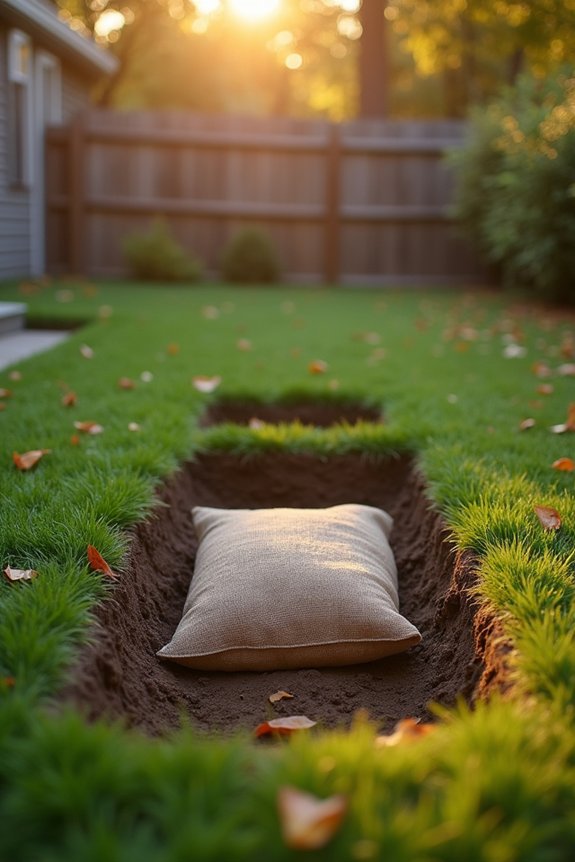
When you’re ready to choose a container, I’d recommend going with biodegradable options like wood or eco-friendly pods that’ll naturally break down over time. You’ll want something that’s sealed tight enough to keep scavengers out and prevent leaks, but still allows your pup to decompose in the soil. Make sure whatever you pick fits your dog’s size snugly and goes directly in the grave—not wrapped in extra layers that’d just slow down the whole process.
Biodegradable Material Options
Choosing the right container for your dog’s burial is one of the most important decisions you’ll make during this process. A biodegradable container matters for eco-friendly burial practices.
Your best options:
- Wooden boxes – Simple, natural, and they break down easily in soil
- Wicker or willow baskets – Attractive and completely biodegradable within months
- Eco-friendly pods – Specifically designed to return your pet to the earth safely
- Cloth wrappings – Affordable option that decomposes naturally underground
Avoid metal caskets or plastic materials—they’ll persist for decades. At proper soil depth (at least 3 feet), your chosen container will decompose naturally. This approach protects groundwater and prevents environmental safety issues.
The container you select shapes your entire burial experience, so choose something that feels right for honoring your companion.
Environmental Decomposition Benefits
Why does the container you pick actually matter for the environment?
I didn’t think much about it either. But your biodegradable container choice significantly impacts how nature does its work. When you select wood or eco-friendly pods instead of plastic, you’re preventing toxic waste from sitting in your soil for decades. These natural materials break down alongside your pet, returning everything to the earth safely.
| Container Type | Decomposition Time | Environmental Impact |
|---|---|---|
| Wooden casket | 5-10 years | Fully biodegradable, nourishes soil |
| Eco-friendly pod | 8-12 years | Returns nutrients to earth |
| Plastic casket | 100+ years | Contaminates groundwater |
Proper burial depth—about three feet—protects groundwater while supporting natural decomposition. A simple natural memorial or tree marks your dog’s resting place, honoring their memory while staying eco-conscious.
Container Depth And Protection
Now that you’ve picked a container that’ll actually break down in the soil, let’s talk about getting the burial depth right—because honestly, I learned this the hard way.
Here’s what I wish I’d known:
- Dig between 3 and 4 feet deep minimum; this keeps wildlife from digging up your pet’s remains
- Cover the biodegradable container with at least 2 feet of dirt for proper protection and decomposition
- Don’t go deeper than 8 feet total; you’re not trying to bury treasure
- Add a protective layer like wire or grating under the topsoil to deter disturbance from animals
Getting the burial depth and protective layer right matters more than you’d think. It respects your pet while keeping wildlife safe. Taking these steps upfront prevents heartbreak later.
Keep the Grave Away From Water and Sensitive Areas
Where you dig matters just as much as how deep you dig. I’ve learned that location is honestly half the battle with backyard burial.
Keep your pet’s grave away from wells, streams, and any open water sources. You’ll want to avoid irrigation intakes and wetlands too. Rising water during heavy rains could disturb the grave and spread contamination. I steer clear of floodplains for this exact reason.
Don’t bury near utility lines or your home’s foundation either. Future digging projects could accidentally unearth things you’d rather leave undisturbed.
Think about water proximity carefully before choosing your spot. Environmental safety means protecting groundwater and nearby water sources. Pick a stable, high area in your yard. Your careful planning now prevents regrets later.
Mark and Protect the Grave From Wildlife Disturbance
How do you keep raccoons and other animals from digging up your pet’s grave? Protecting your backyard burial site requires intentional planning and a few smart precautions.
Here’s what I’d recommend doing:
- Dig deep: Reach a burial depth of at least three feet, with two feet of soil covering the remains
- Add a barrier: Place wire or grating beneath the topsoil to deter wildlife effectively
- Install a grave marker: A memorial or stone helps you locate the site and signals to others that it’s marked
- Use protective containers: Choose biodegradable options like wood pods that break down naturally
Combining these methods creates a strong defense against disturbance. Taking time upfront means you’ll have lasting peace of mind knowing your companion rests undisturbed.
Complete the Burial Within 24 to 48 Hours
I’ve found that completing your dog’s burial within 24 to 48 hours matters, and I’ll explain why as we go through this section. You’ll want to understand how decomposition works and what health risks come into play, plus how to actually plan and execute the burial process itself. Getting these details right means you’re doing right by your pet and protecting your family and yard.
Why Timing Matters
Because your dog’s body will naturally begin to decompose, you’ll want to complete the burial within 24 to 48 hours after death. I know this timing feels tight when you’re grieving, but there are solid reasons behind it.
Here’s why burial timing matters so much:
- Decomposition accelerates quickly, creating health risks for your family and pets
- Local regulations often require burial within this window to protect groundwater
- Environmental considerations become complicated if you delay, especially during warm weather
- Delays complicate compliance with your state and county rules
Planning ahead makes everything easier. If your ground’s frozen or too hard, contact local authorities about temporary storage options. You’re doing right by your dog by understanding these guidelines beforehand.
Planning The Burial Process
Once you’ve made the decision to bury your dog at home, the actual planning part kicks in—and it’s manageable.
First, check your local regulations. I learned this the hard way by assuming backyard burial was automatically allowed. Different areas have specific rules, so verify what’s permitted on your property before you proceed.
Next, you’ll need a biodegradable container—think wood box or eco-friendly pod. These options feel respectful and align with timing requirements.
Here’s the important part: complete the burial within 24 to 48 hours after death. This window matters for practical and health reasons. Dig a spot at least three feet deep, away from water sources. Cover the container with minimum two feet of soil.
Planning ahead makes this process less overwhelming.
Decomposition And Health Risks
Why does timing matter so much with backyard burial? I’ve learned that decomposition starts immediately, and waiting too long creates serious health risks for your family and community.
Here’s what I’d prioritize:
- Complete burial within 24 to 48 hours after your dog passes to minimize decomposition and pathogen exposure
- Dig at least 3 feet deep with 2 feet of soil covering the body, which deters scavengers and reduces health hazards
- Avoid areas near water sources to prevent soil contamination and groundwater damage from decomposition byproducts
- Consider cremation if your dog had contagious diseases, since burial depth alone won’t eliminate certain health risks
Timing really matters here. The sooner you bury your dog properly, the better you’re protecting everyone involved. It’s one final act of care that shows respect for both your pet and your community.
Store Your Dog Safely If Burial Is Delayed
Sometimes life gets in the way, and you can’t bury your dog right away—and that’s okay. I’ve been there, and I know it feels overwhelming. Here’s what I’ve learned: find a cool, shaded area for storage. A leak-proof, lined container works well during this delay period. It’ll handle fluids and help with odor control so you’re not stressed about unpleasant smells.
Skip the plastic bag—it’ll decompose and leak. Instead, use a biodegradable or sealed container based on your local rules. Check your jurisdiction’s requirements; some places have specific timeframes for keeping remains on your property.
Keep the storage spot away from your garden, water sources, and utilities. This protects your land and prevents disturbance. When you’re ready, you’ll bury everything properly and honor your pup’s memory appropriately.
Cremation, Pet Cemeteries, and Other Pet Services
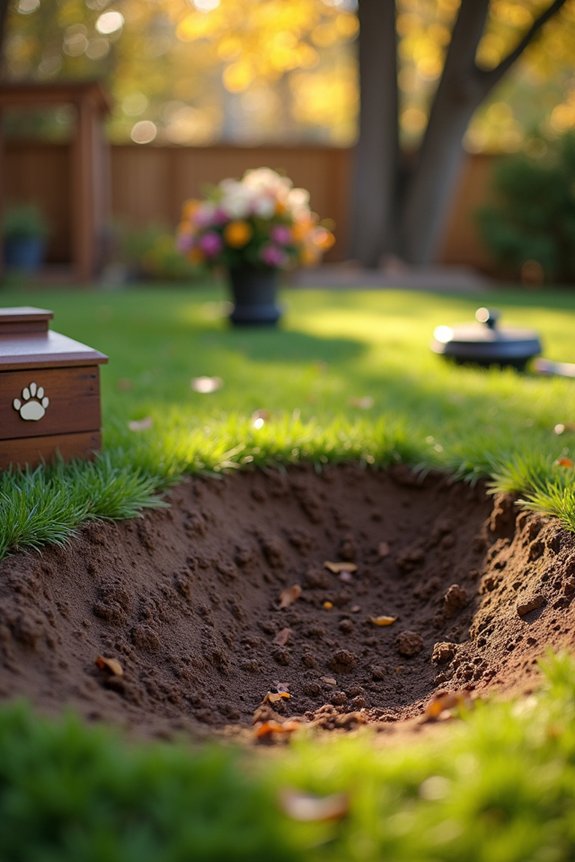
If backyard burial doesn’t feel right for you, there are other meaningful options to honor your dog.
Consider these alternatives:
- Cremation services offer private options ($150–$450) that return your dog’s ashes, or communal cremation ($50–$200) if you’re budget-conscious
- Pet cemeteries provide private or communal plots, sometimes with green-burial choices using biodegradable containers
- Ash memorials let you scatter remains, keep them in urns, or incorporate them into jewelry and coral reef additions
- Professional aftercare helps you follow local regulations and veterinary policies correctly
Results typically arrive within weeks. Check IAOPCC’s searchable directory to verify cremation providers meet proper standards. Coordinating with your vet or local cemetery helps confirm everything’s compliant during this difficult time.
Talk to Your Vet About Local Burial Guidelines
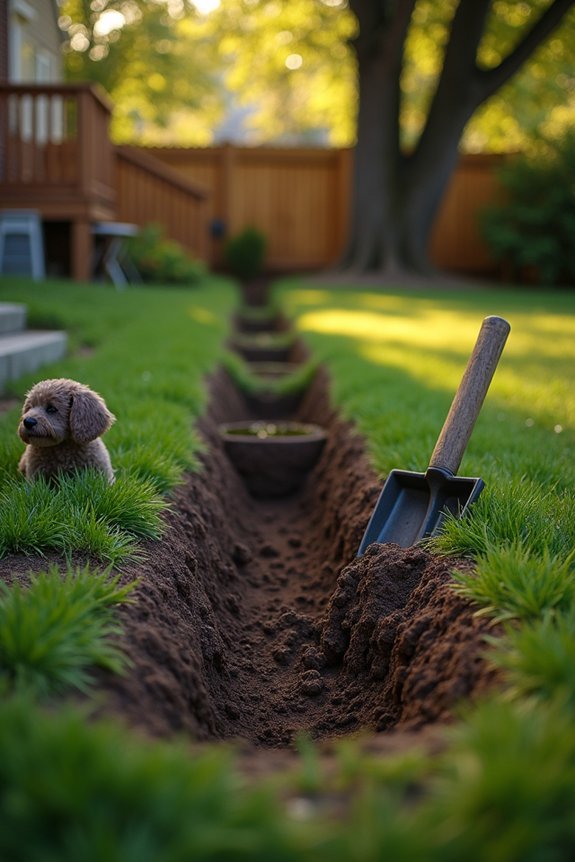
Before you dig that hole in your backyard, you’ll want to have a chat with your veterinarian about what’s actually allowed in your area. Your vet knows the specific local regulations that apply to you, and honestly, they’ll save you from potential headaches down the road.
They can tell you the required burial depth—usually two to three feet or deeper—and explain distance requirements from water sources. Your vet also advises on proper containment using biodegradable materials that break down naturally. They’ll discuss whether your dog had any contagious diseases that might affect burial safety.
Plus, your vet can clarify whether you need permits or documentation for your property. It’s worth that conversation before you start digging.